“Conocimiento Flotante” places the Mediterranean as co-author in the first work integrating art, science and technology
- Damià's new art installation, presented today at Bellver Blue Tech Zone, stands out as one of the most singular proposals on the current scene for its ability to articulate a living, ever-changing system.
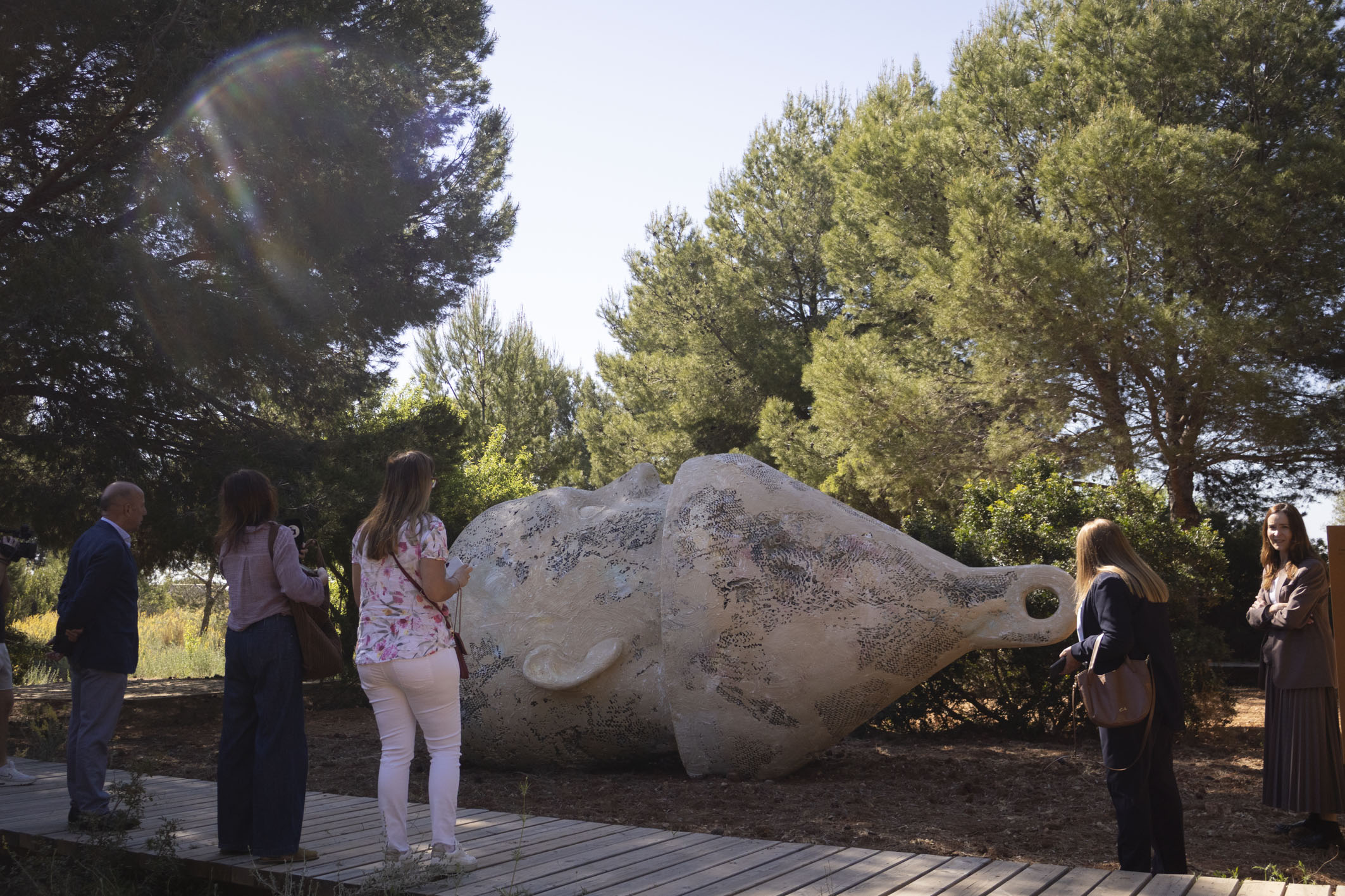
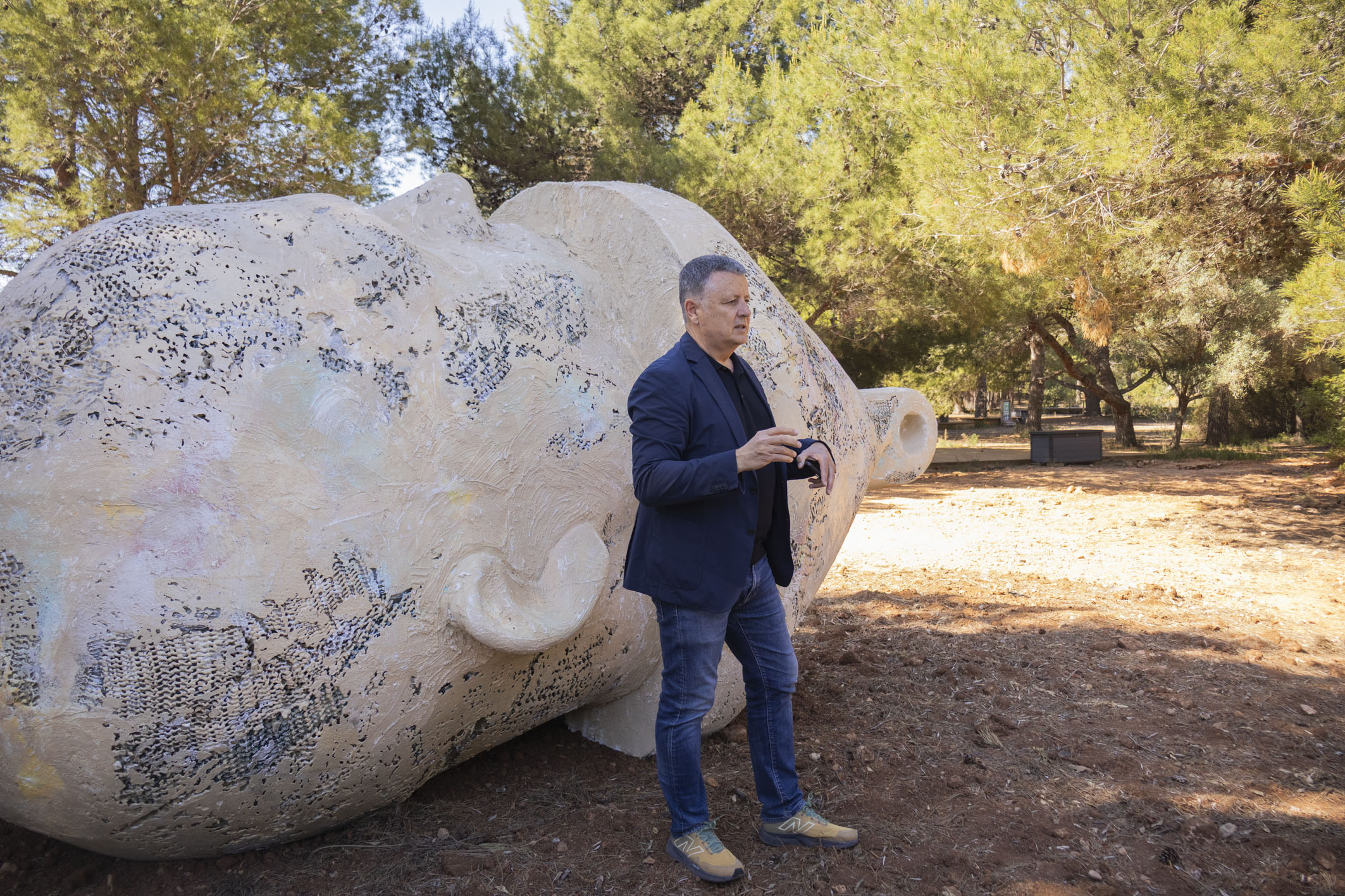
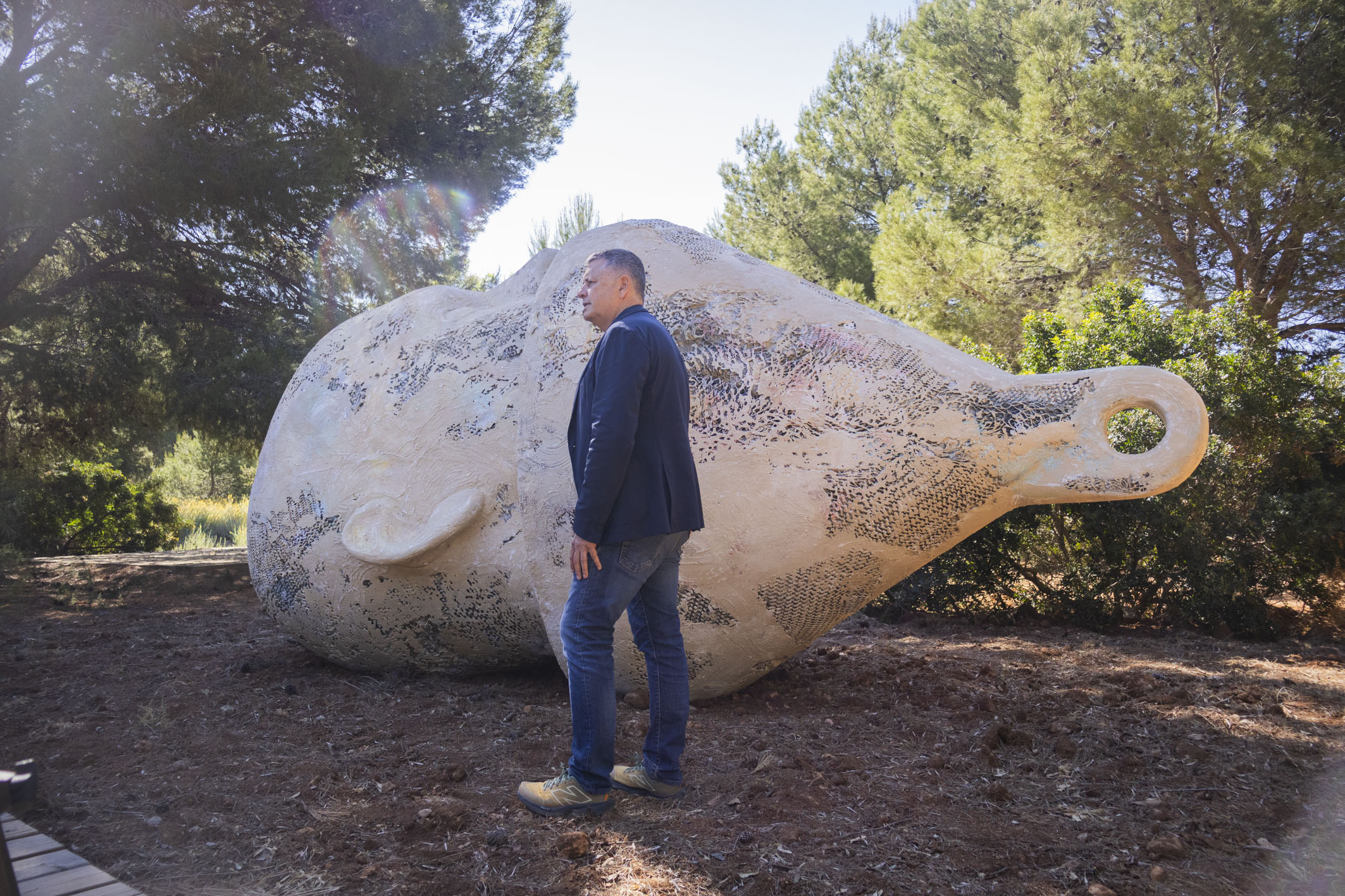
- The land-based sculpture has an internal structure made of fishing nets lost and recovered from the seabed. On the outside, the use of Roman concrete and graphene contributes to the absorption of CO2 and nitrogen oxides, embedding environmental processes into the material itself.
- A series of underwater buoys shaped like human heads, moored in the Benicàssim-Orpesa Site of Community Importance (SCI), record parameters such as temperature, salinity and other physicochemical data.
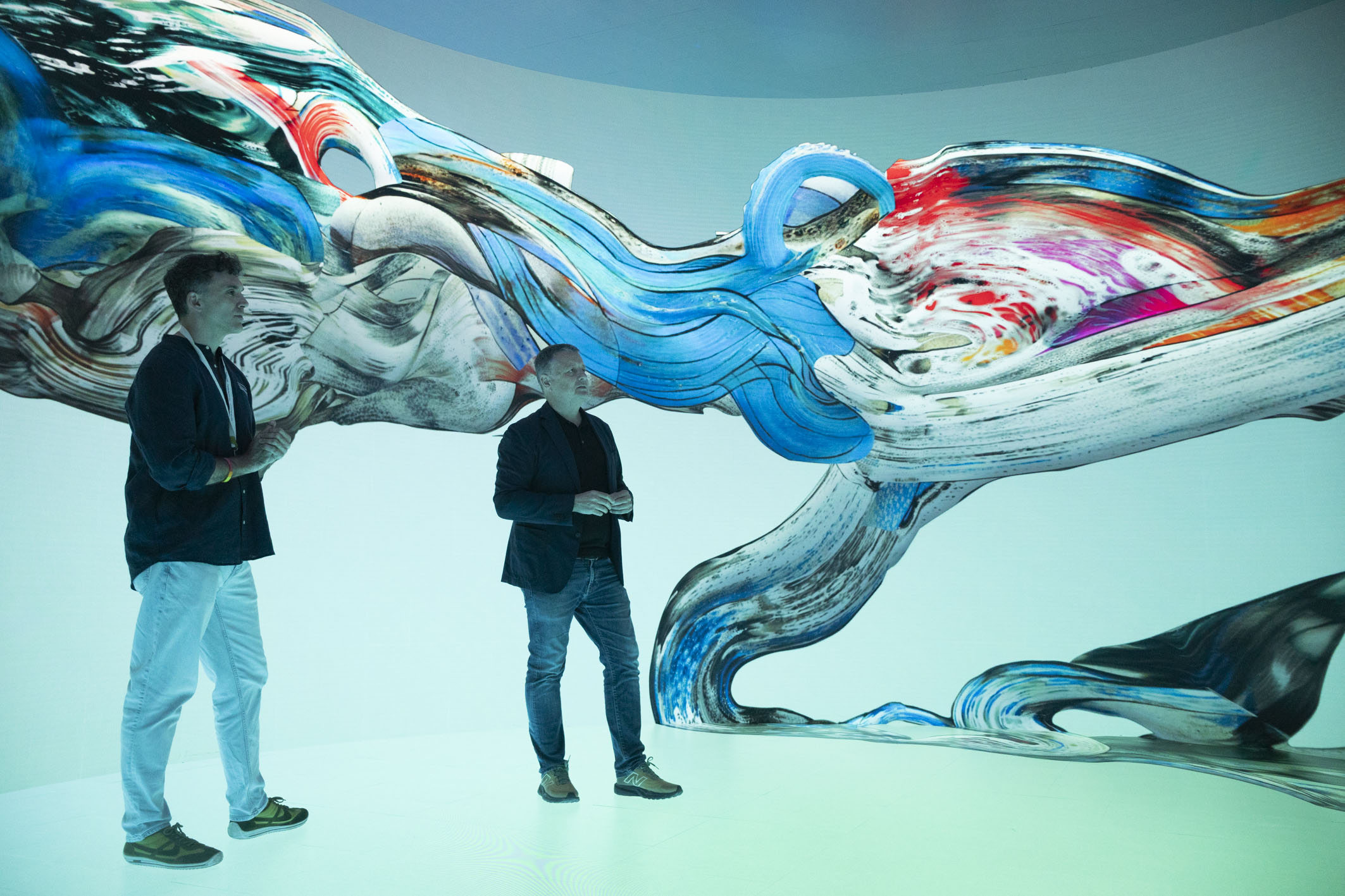
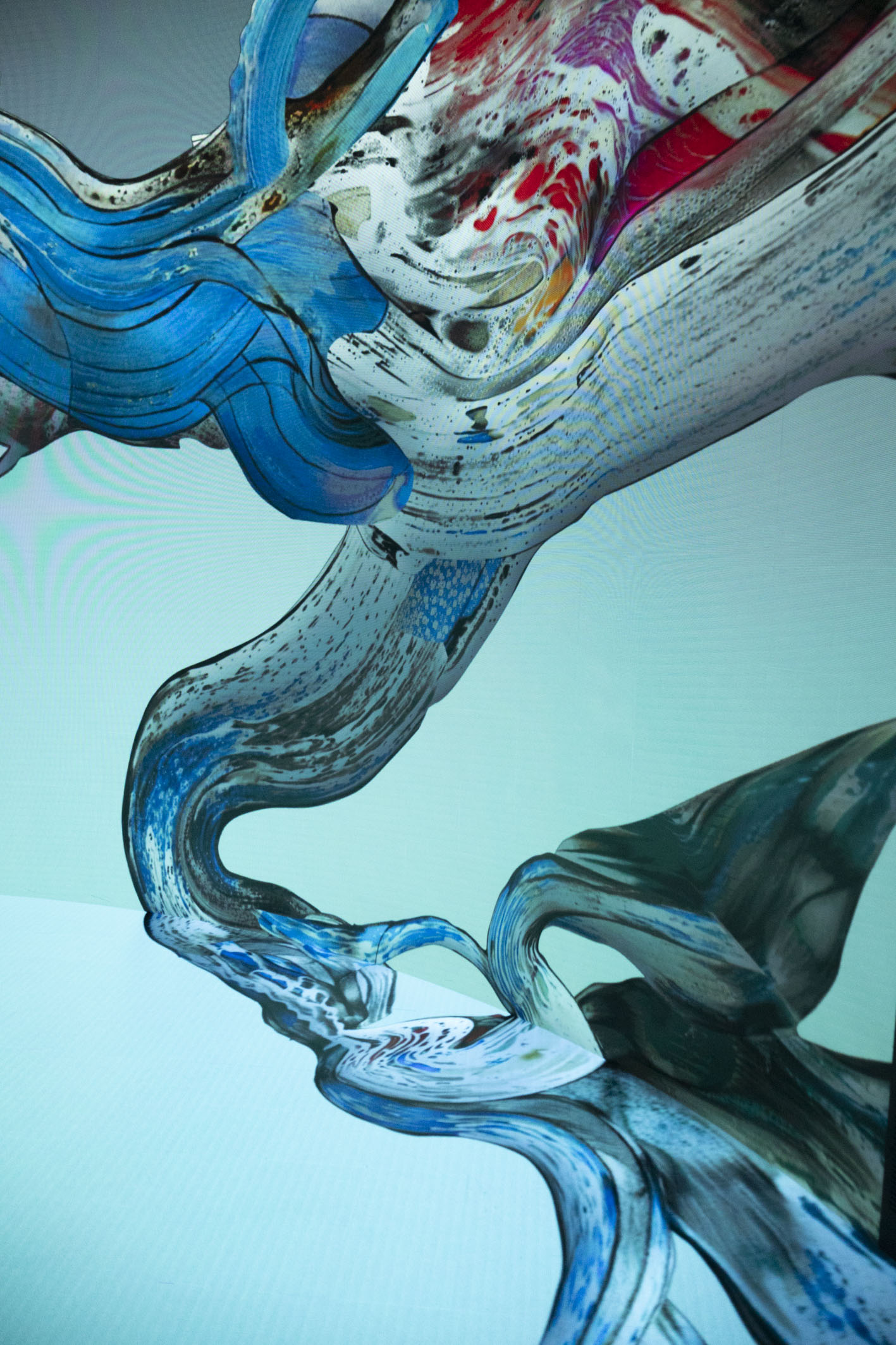
- The installation's third dimension unfolds in the digital realm. Vortex turns the visitor into an active part of the work.
Oropesa del Mar (Castellón). This is not a work about the sea. It is a work with the sea. On this premise, Conocimiento flotante: mar-tierra-digital is presented today — Damià's new art installation, located at Bellver Blue Tech Zone, which stands out as one of the most singular proposals on the current scene for its ability to integrate art, science and technology within one living, ever-changing system.
Far from the traditional logic of sculpture, the work moves away from the classical representation of the Mediterranean to establish a direct dialogue with it through three ecosystems that, as in nature, are interconnected. The sea thus becomes an active agent and a co-author. Its changing, unpredictable behaviour constantly modifies the form, rhythm and evolution of the installation, making it a piece that is never repeated in time.
A work in three states
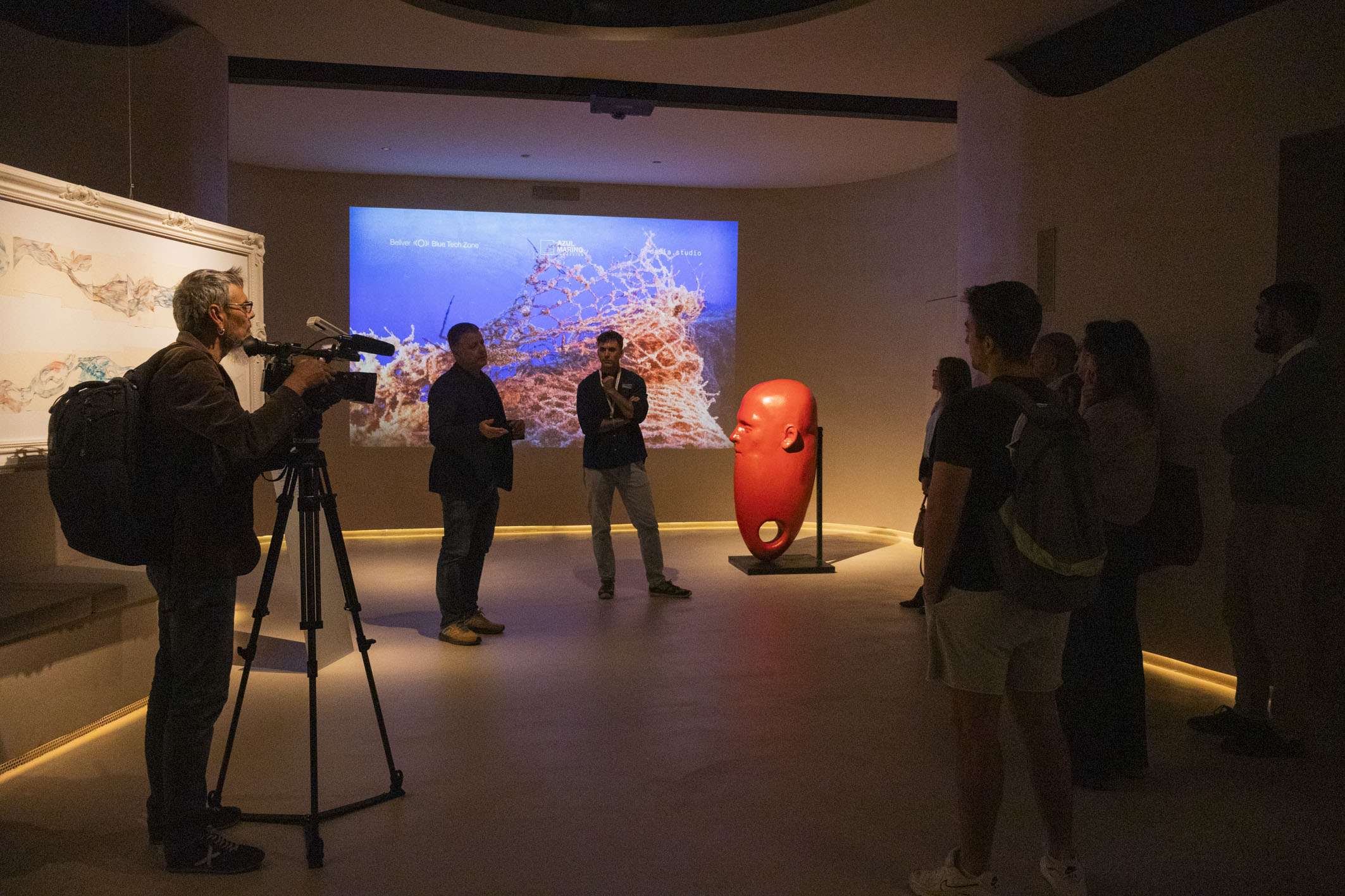
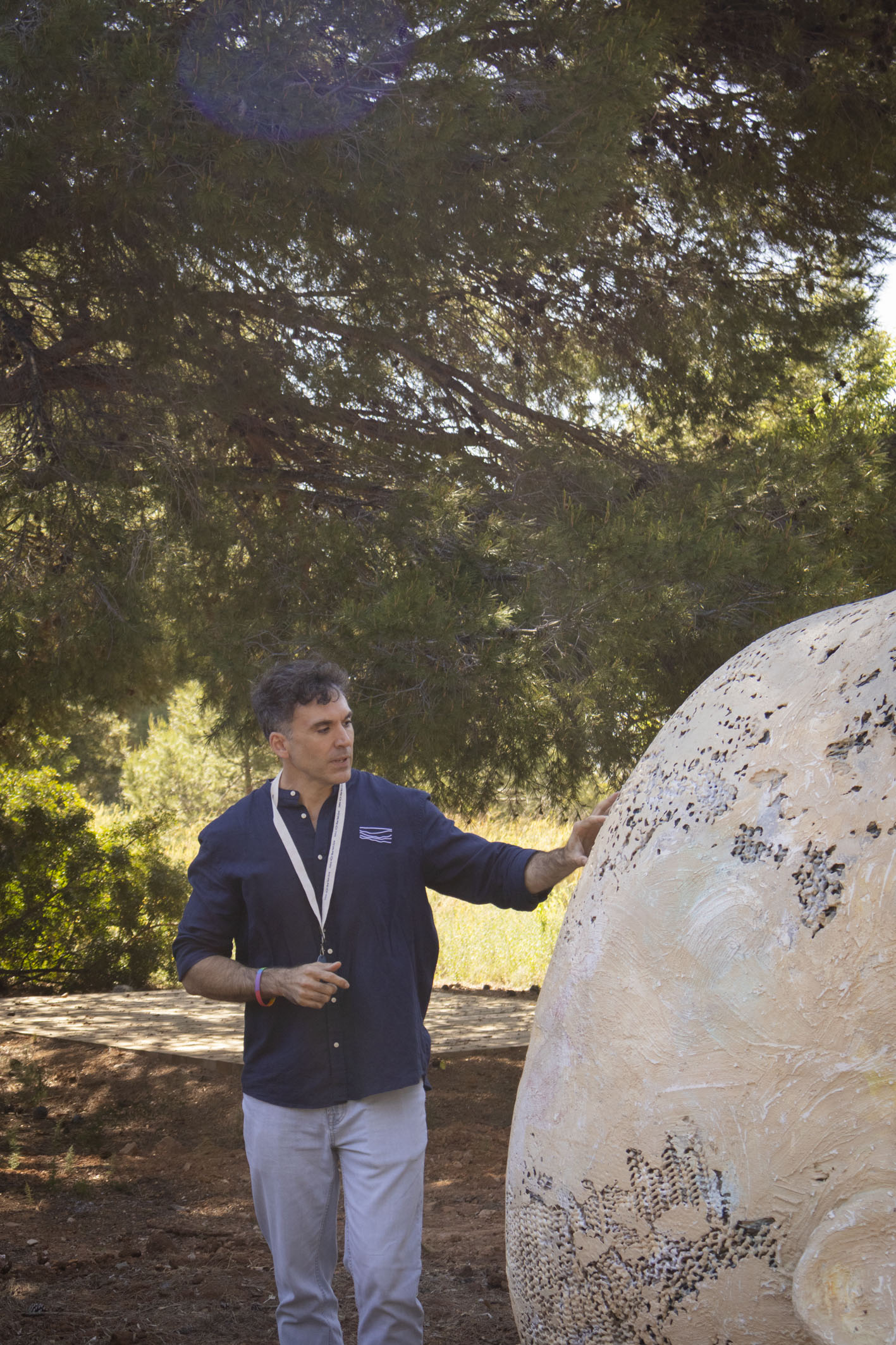
In its physical dimension, the land-based sculpture sits in El Bosque at Bellver Blue Tech Zone, taking shape as a body of material memory. Its internal structure is made of abandoned fishing nets recovered from the seabed. These materials, originally conceived as extraction tools, are given new meaning as structural support. Its external structure, made of Roman concrete and graphene, interacts with the surroundings by serving as a growth surface and, at the same time, contributing to the absorption of CO2 and nitrogen oxides, embedding environmental processes into its own materiality.
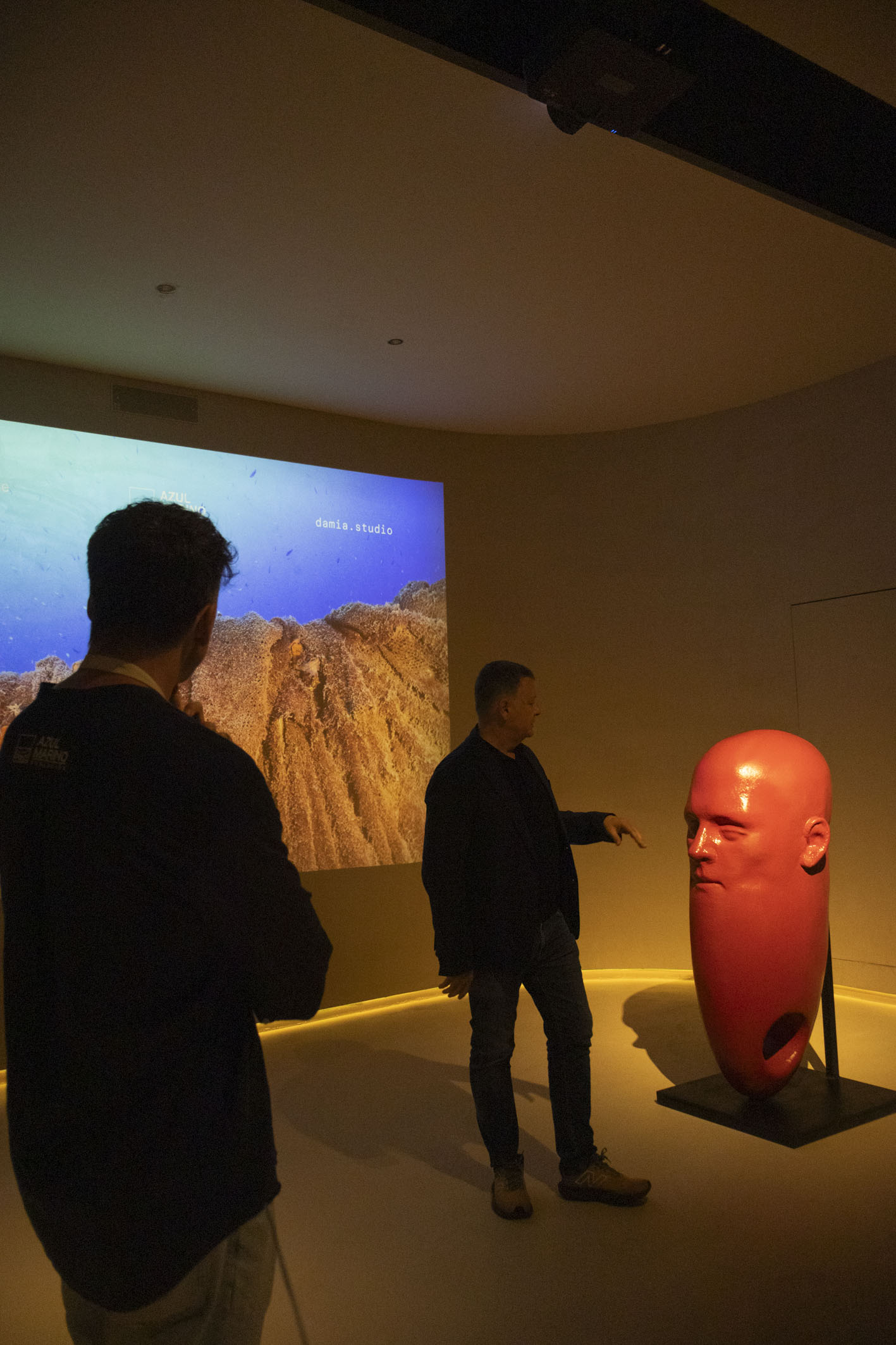
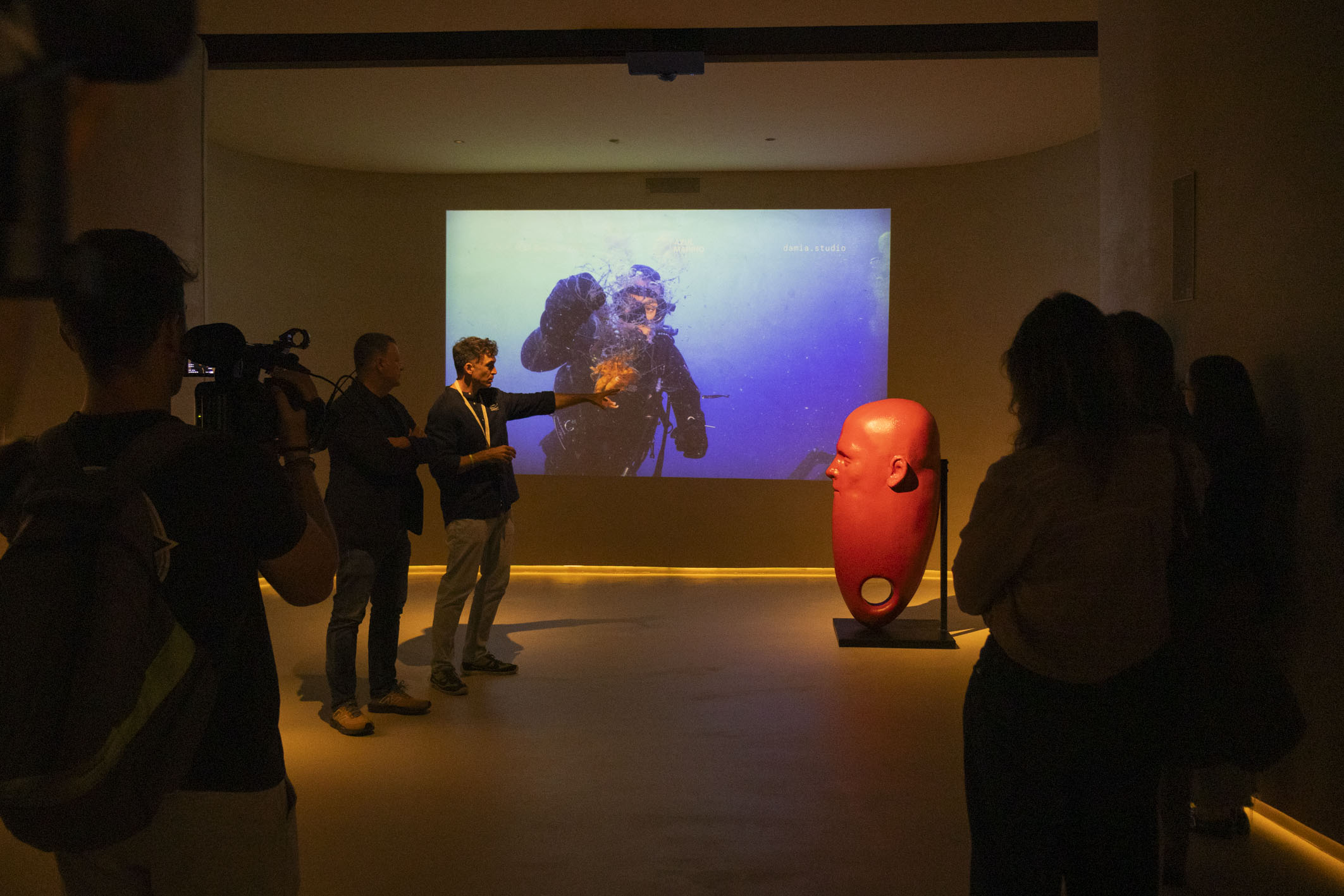
A series of underwater buoys shaped like human heads, moored in the Benicàssim-Oropesa Site of Community Importance (SCI), act as listening devices. Equipped with sensors, they record parameters such as temperature and salinity, as well as other physicochemical data, without interpreting or judging them. These heads underline the philosophical dimension of the project: knowledge as something floating and context-dependent, and measurement as a gesture of attention rather than control.
Their role is to mediate between the marine environment and human perception. Over time, these pieces are colonised by marine organisms, progressively integrating them and accepting that the pieces are not closed objects but permeable bodies that evolve alongside their surroundings.
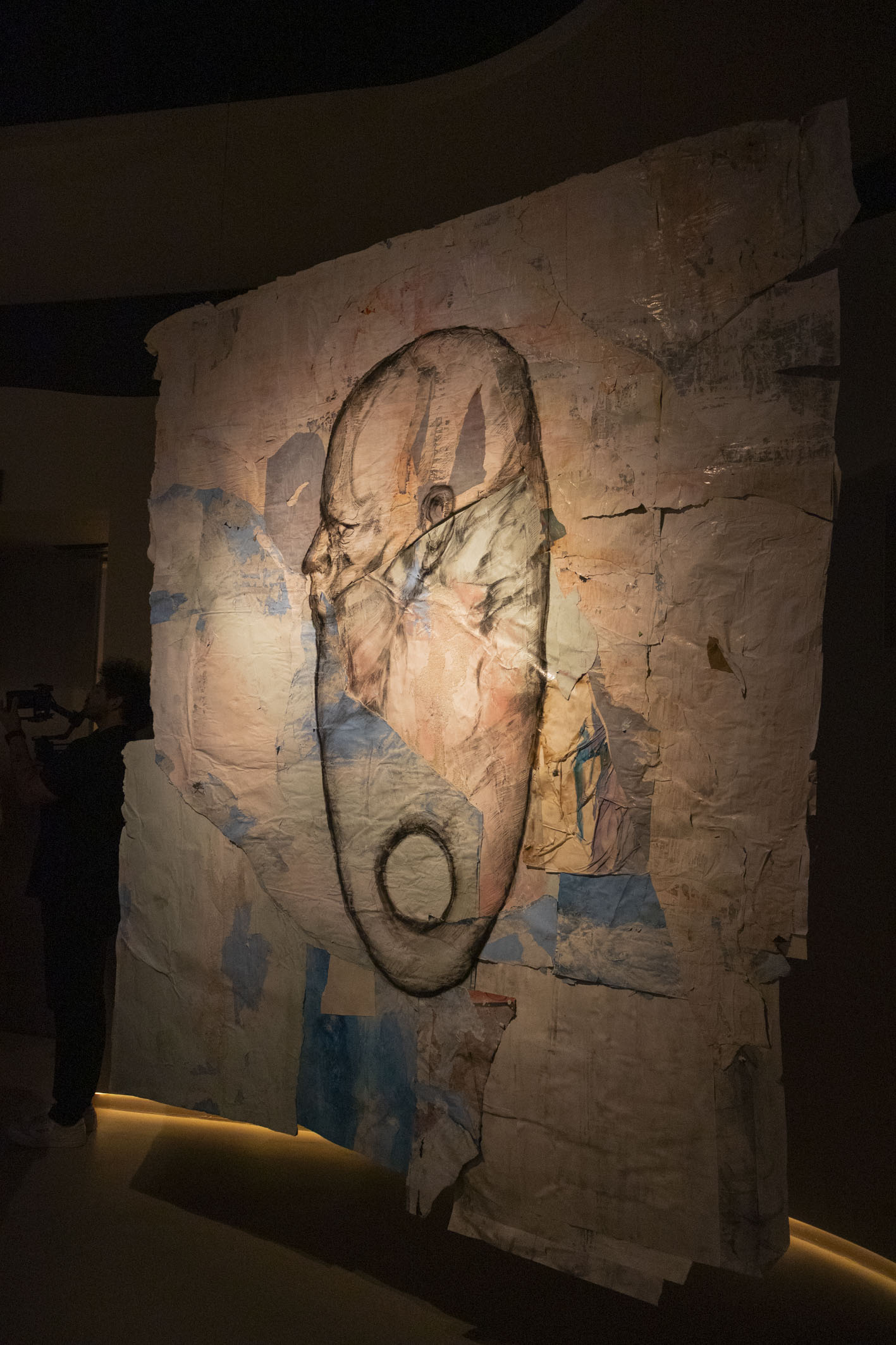
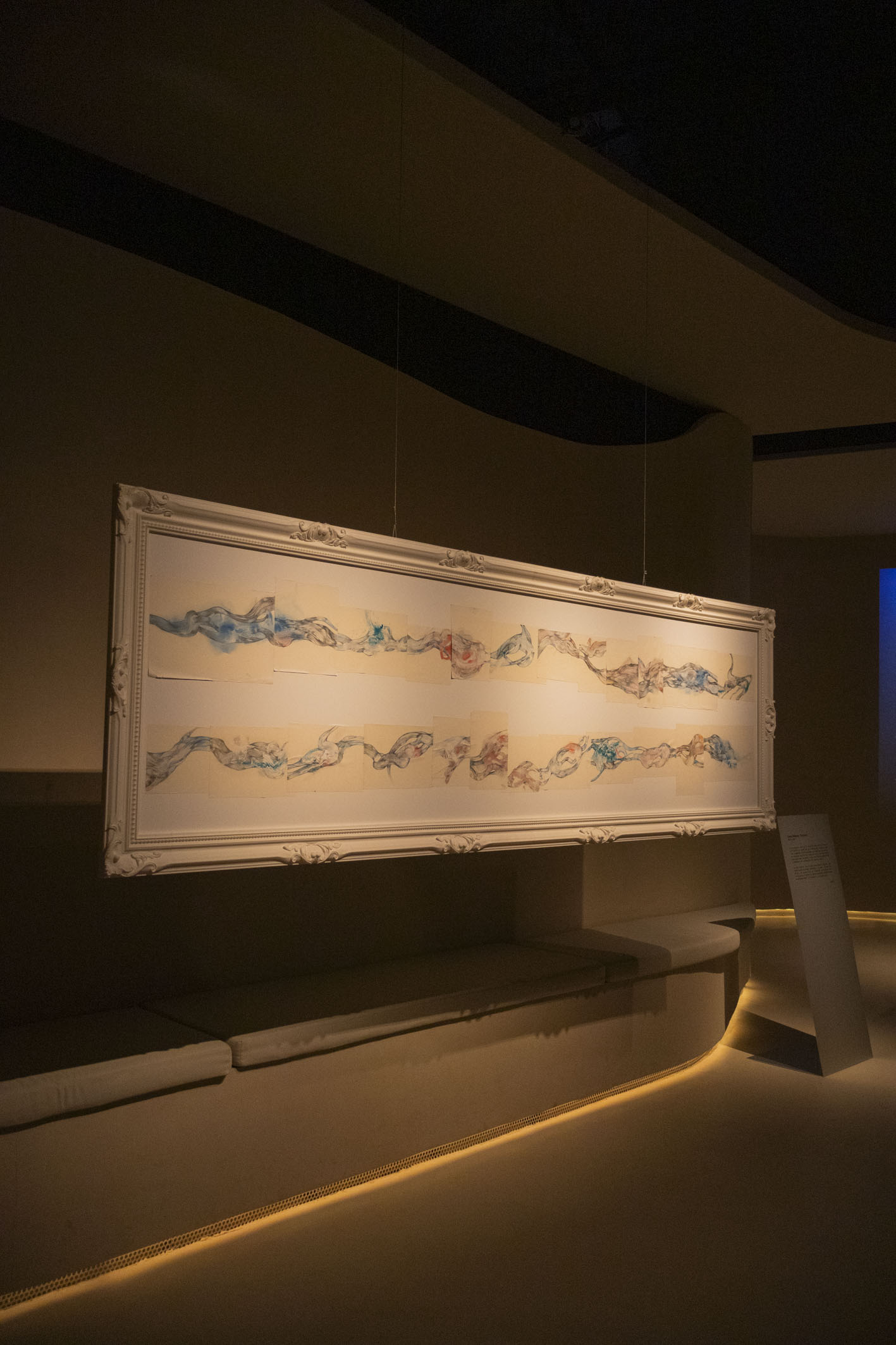
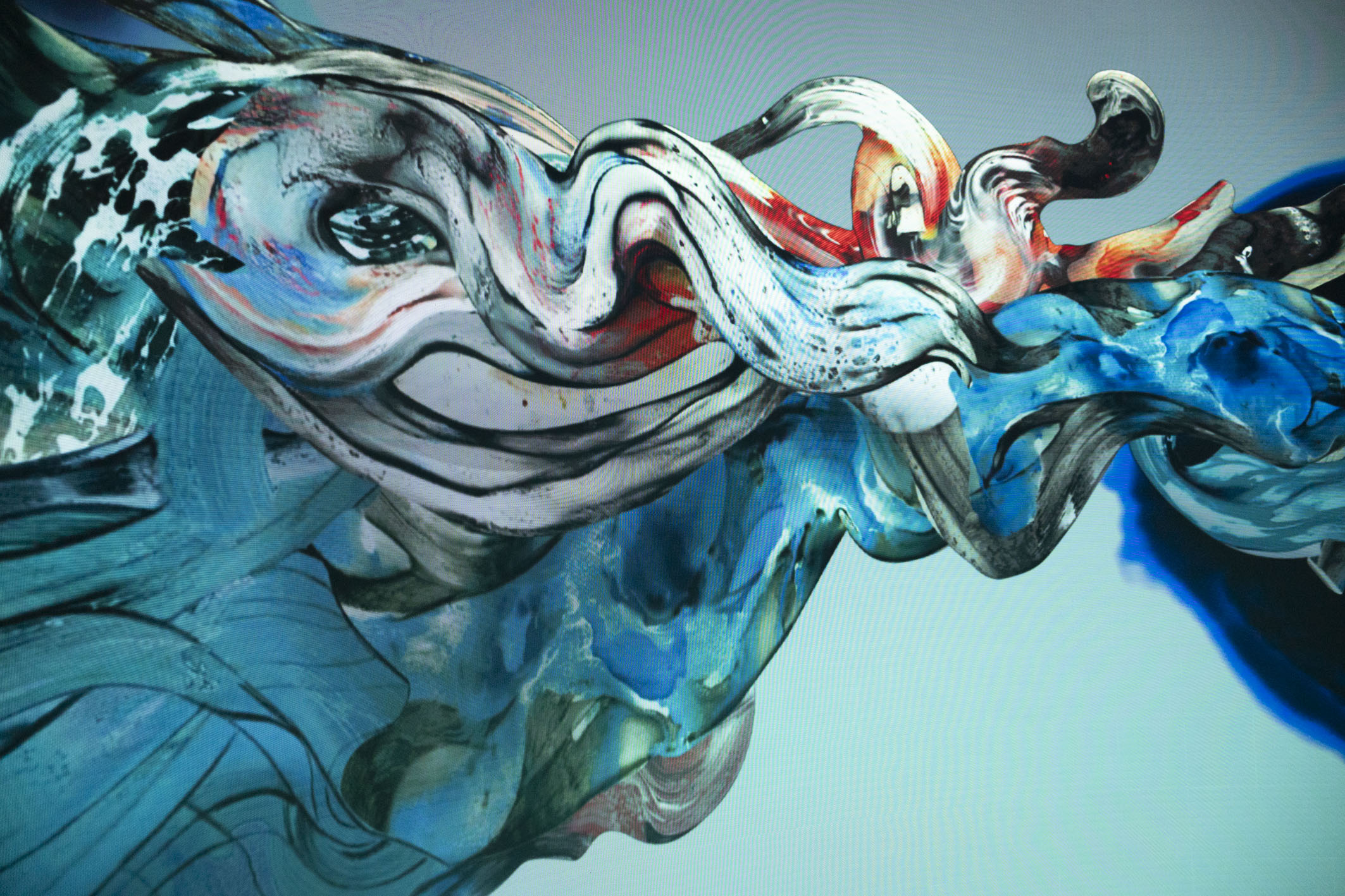
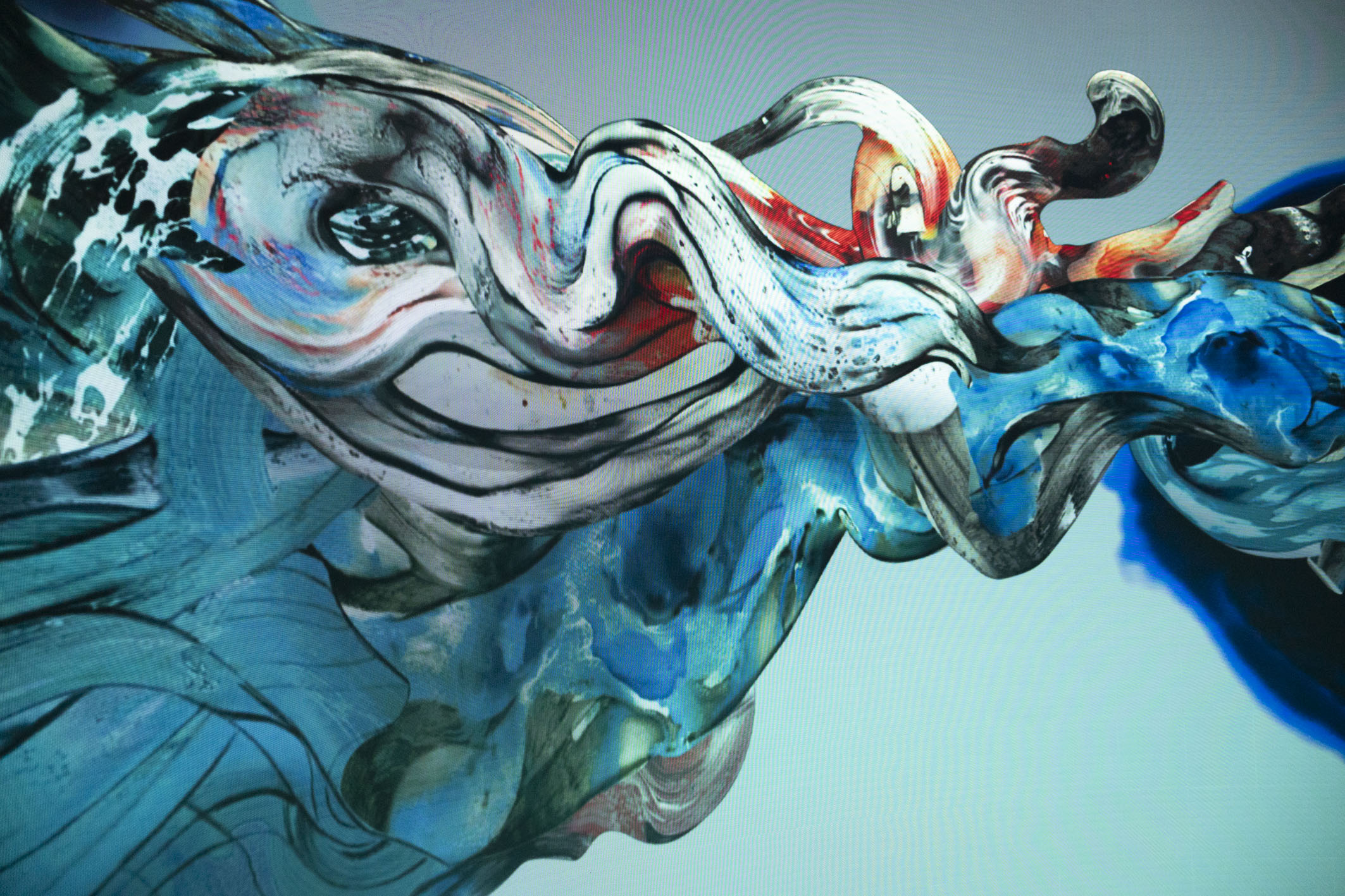
The installation's third dimension unfolds in the digital realm. Vortex, the immersive space at Tempus, reconfigures the perception of space to turn the visitor into an active part of the work. These visualisations draw both on the information recorded in the marine environment and on a series of earlier drawings by the artist, which define the visual logic of the piece. Here the collected data is not projected but transformed into visual flows that simulate sea currents and respond in real time to variations in the ecosystem itself, altering everything from texture to density. Vortex technology makes it possible to create a unique environment where the Mediterranean is not observed but translated and inhabited.
“The project is not about explaining the sea, but about establishing a different relationship with it, in which we stop standing outside and begin to be part of its logic”, says the curator of the work and project director of Fundación Azul Marino, Pablo García. “Here measurement is not understood as control, but as a form of prolonged attention towards a system that never stops transforming”.
Damià himself expands on this idea from a conceptual perspective: “in the conocimiento flotante project there is no intention of giving definitive answers, but of creating a dialogue between place, nature and technology. It is about exploring uncertainties and, perhaps, new ways of perceiving from where to take time to think. My work intends to suggest, to point out and to offer the space needed to generate curiosity and hope”.
Bellver Blue Tech Zone as the setting
The installation is on show from today across its three locations within Bellver Blue Tech Zone, as an ensemble that evolves in relation to its surroundings.
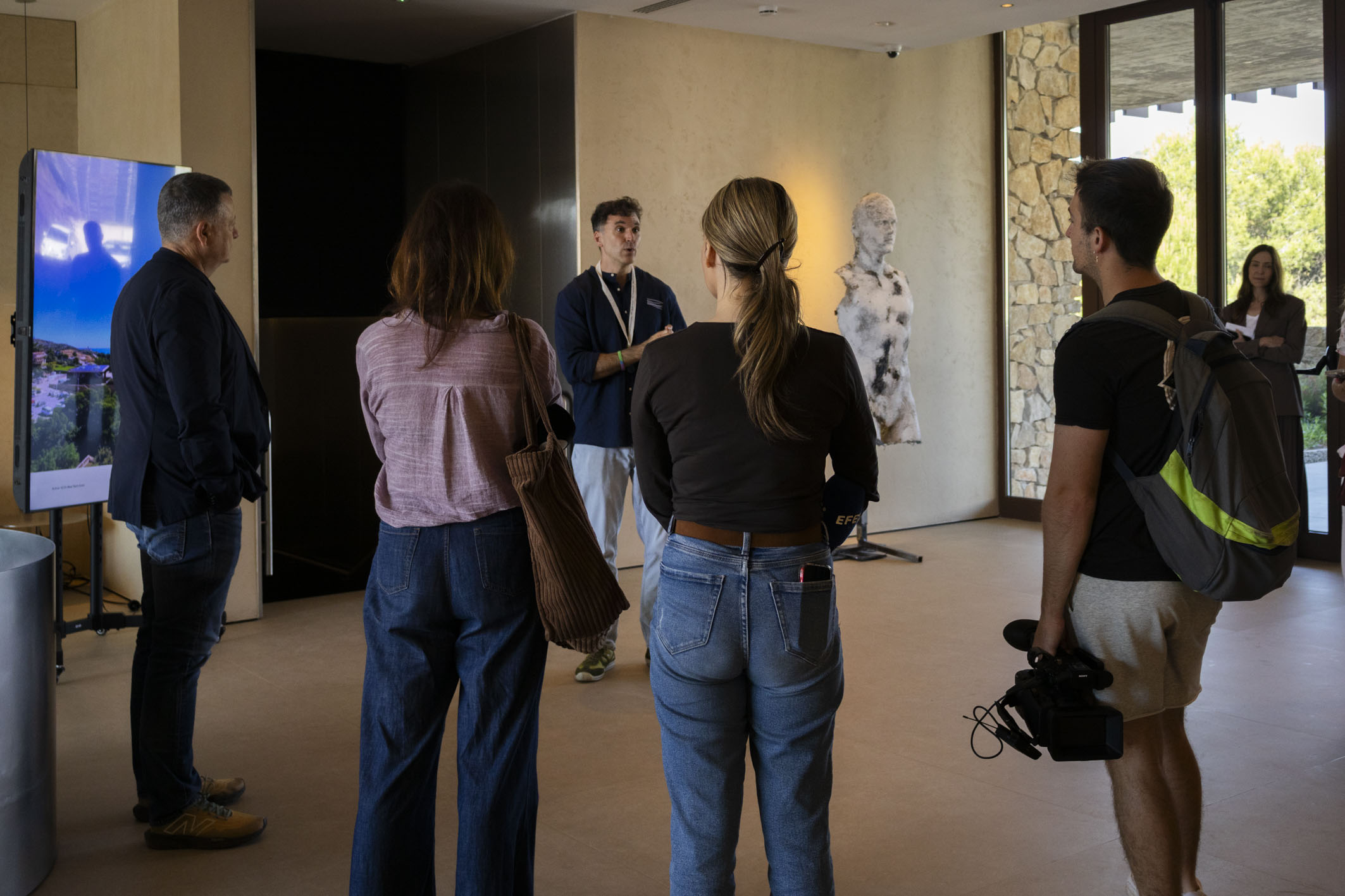
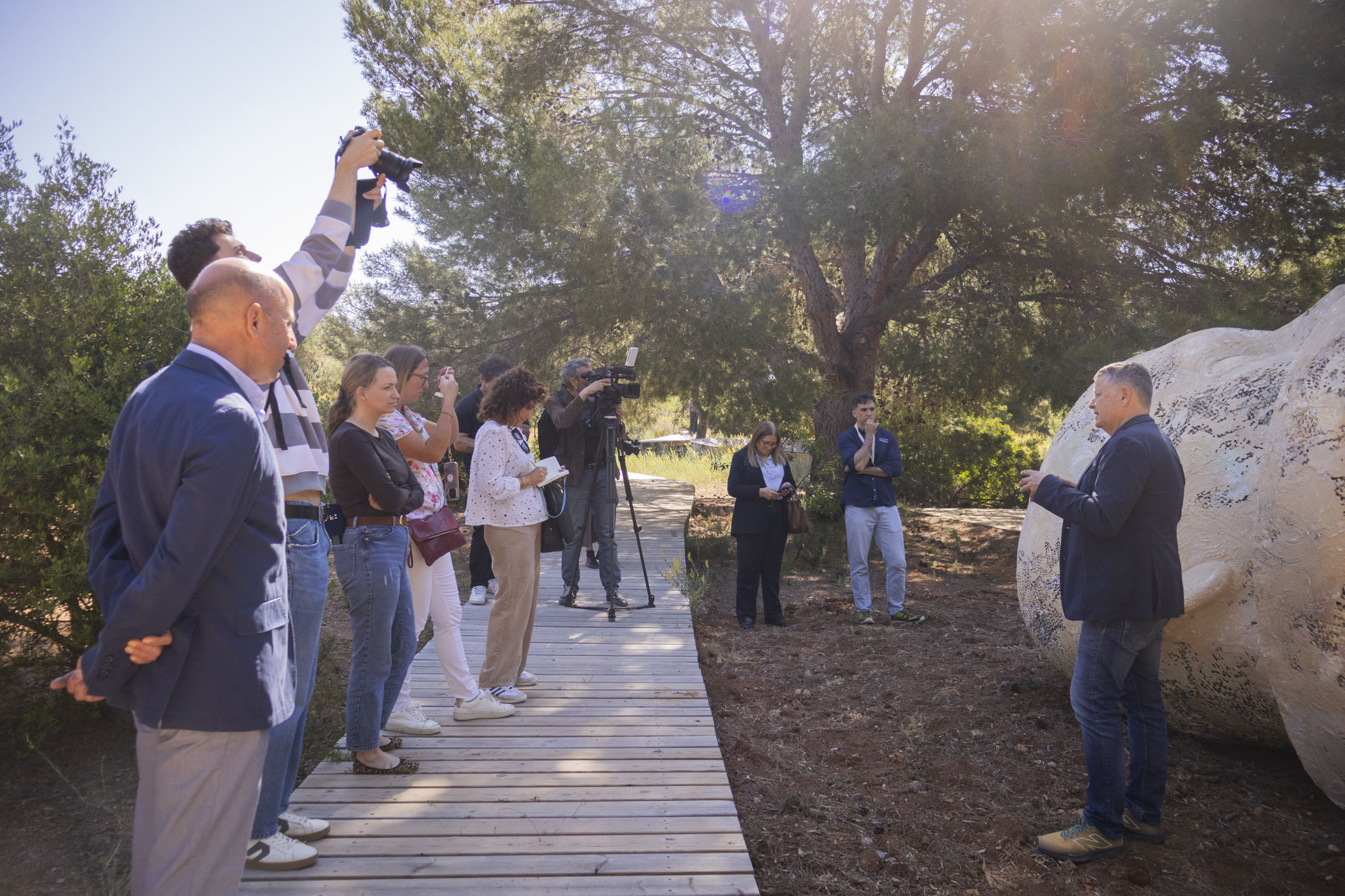
The presentation included a tour of the facilities, a presentation of the art installation and an immersive activation of the work. In this context, Bellver Blue Tech Zone, through its Fundación Azul Marino, consolidates the conceptual framework of the project by sharing a vision centred on sustainability, innovation applied to the marine environment and the creation of hybrid spaces between science, technology and culture.
Image gallery
Click any image to preview it, or download it individually in high resolution.