MICE Events: How to Create Memorable Experiences in a Competitive Corporate Environment

In an increasingly competitive corporate world, MICE (Meetings, Incentives, Conferences, and Exhibitions) events have positioned themselves as a key and fundamental tool for standing out, differentiating, and strengthening brands or fostering their growth, among other things.
These types of corporate events also aim to generate networking and foster relationships and interaction with clients, suppliers, employees, and investors.
Highlights of this article
- MICE events are a strategic tool that strengthens relationships and generates real business opportunities.
- Planning, personalisation, and technology are key to designing memorable experiences aligned with brand identity.
- In 2024, the MICE sector in Spain achieved a record turnover of 14,296 million euros, with continuous growth predicted.
- Purposeful spaces that combine connectivity, well-being, and authentic experiences make a difference.
The key to success in MICE events lies in creating, through creativity and innovation, a unique, personalised, and differentiating experience that generates a great impact on attendees and becomes memorable. This not only leaves a lasting impression but also exponentially increases brand visibility.
What are MICE events?
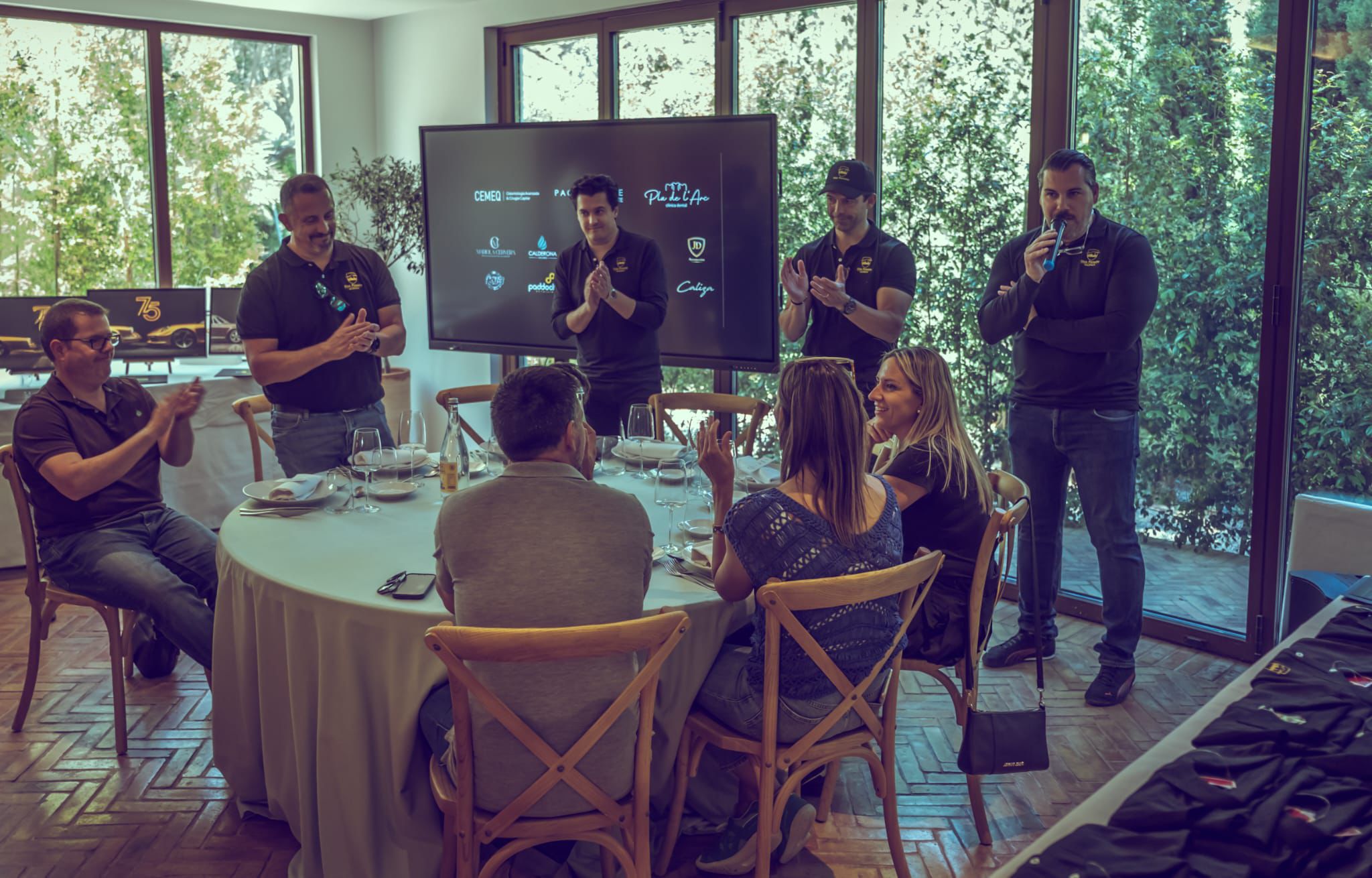
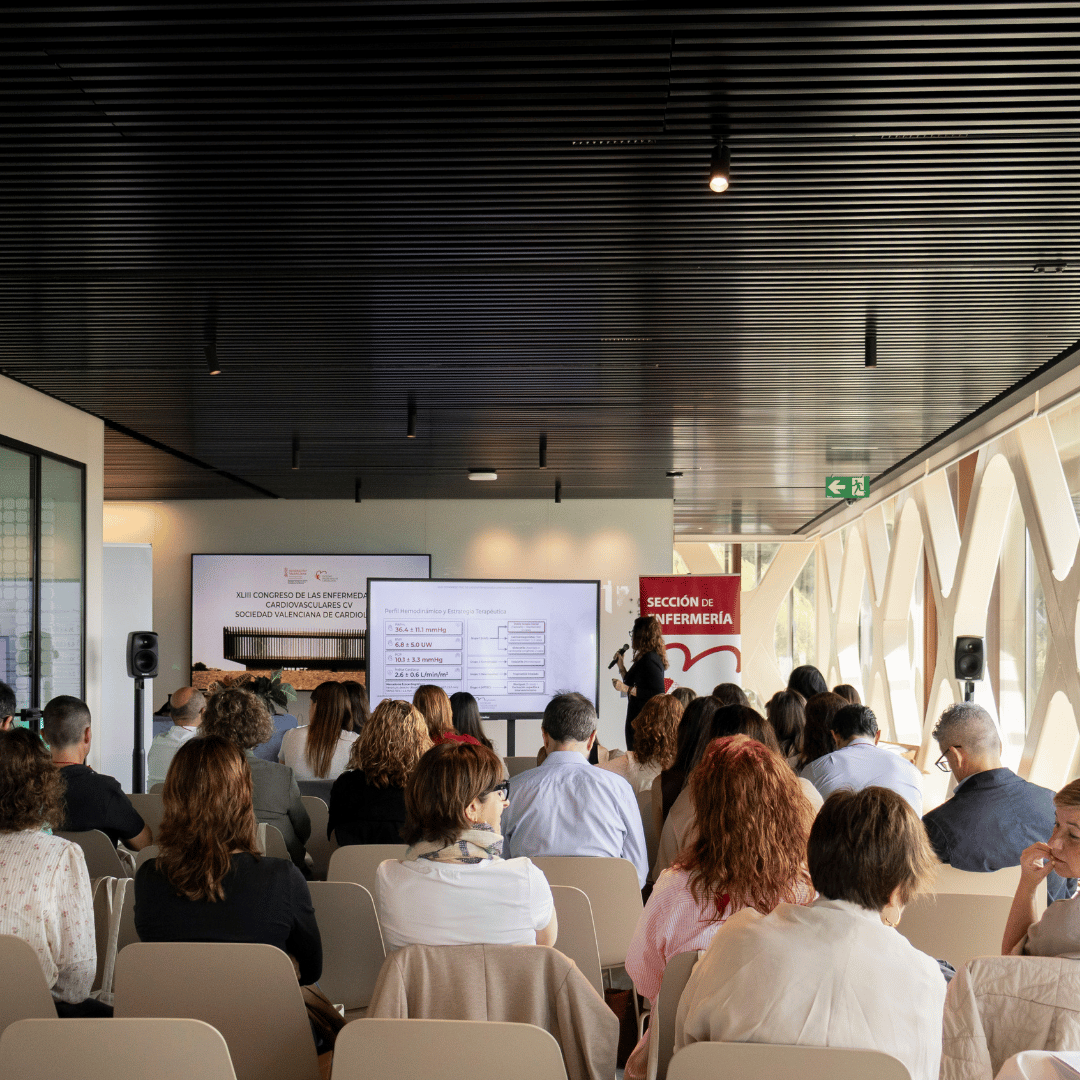
The term MICE encompasses different corporate activities such as Meetings, gatherings between companies, clients, suppliers, or employees; Incentives, events organised as personal motivation, as a reward or thank you to employees, clients, or partners for having achieved specific objectives; Conferences, large gatherings where experts on a topic share their knowledge with participants; and Exhibitions, events where companies showcase their products or services and connect with potential clients, suppliers, or investors.
How to organise a MICE event step by step
To organise MICE (Meetings, Incentives, Conferences, and Exhibitions) events, a series of key steps must be followed, from clearly defining the objectives to designing the attendee experience, including the chosen venue, date, programme, and mechanisms to encourage participation.
Firstly, we will define the objective or objectives to be achieved. These should be clear purposes such as motivating employees, launching a product, or networking, among others. Based on the above, we will identify and define the audience and their profiles, as this will help us fully personalise the experience, content, venue, and associated needs.
Once agreed, we will establish a budget, considering how much will be invested in each of the involved areas, such as venue, catering, transport, etc. It is advisable to add a margin to this amount for unforeseen events that may arise during the execution of the event or afterwards.
Based on the available budget and according to the objective, we will decide whether it will be a conference, exhibition, meeting… Since each type of MICE event requires different logistics.
Spaces and experiences: keys to an unforgettable MICE event
Once all the indispensable decisions have been made, it is time to find the ideal venue that not only satisfies the main objective but can also add value to the event and turn it into an experience, as attendees' expectations are increasingly high and companies are more competitive.
According to the latest BCD Meetings & Events Spain report on trends in incentive travel for 2025, one of the most prominent concepts is JOMO (Joy of Missing Out), which advocates for places away from the frenetic daily pace and crowds, with the aim of fully enjoying the event in a tranquil environment. Furthermore, MICE event venues and locations are sought not only to meet logistical and technological needs but also to offer a diverse range of cultural, gastronomic, recreational, or natural activities that allow attendees to immerse themselves in a complete experience and relax, enjoy, and strengthen their personal and professional ties.
The role of technology in MICE events
Technology also plays an important role in creating a standout corporate experience, and there are many ways to use it.
Personalisation
Customising the experience according to the content, activities, or brand needs reinforces its identity, influences attendee engagement, and helps generate lasting memories. This can be achieved with interactive screens that include personalised content, AI projections, among others.
Impactful presentations
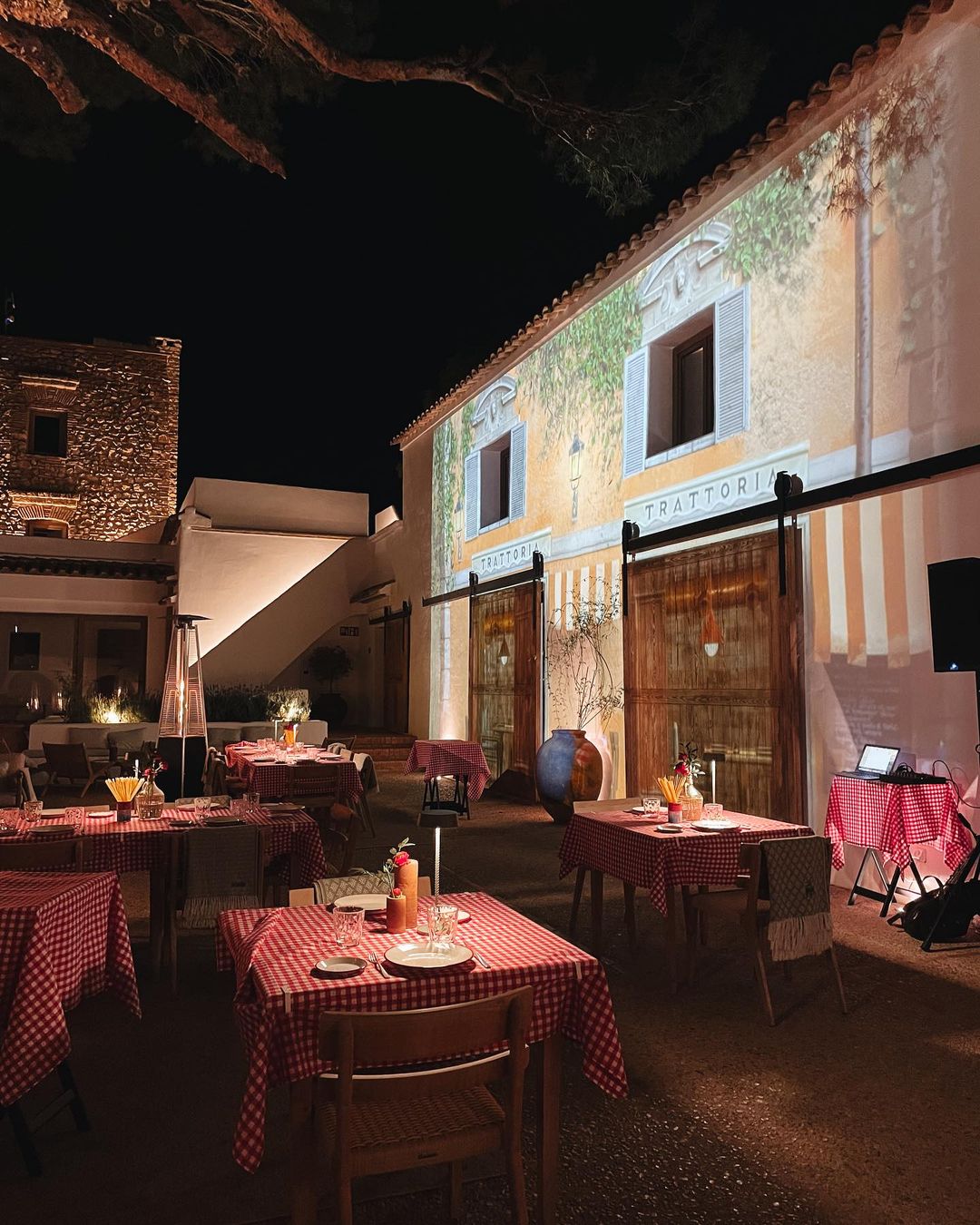
Large-format screens, interactive, immersive, or hyperrealistic projections significantly elevate the level of presentations. This type of tool allows messages to be conveyed in a more attractive, visual, direct, and, above all, surprising way. Something really important when it comes to leaving an impression.
Connectivity
Live streaming an event exponentially expands the reach of people who receive the brand's impact, eliminating geographical or time barriers. This not only increases the audience but also allows for live feedback, which enriches the event's content and adds value to both present and virtual attendees.
The importance of MICE events for companies
Undoubtedly, MICE events are key tools in the corporate sphere, as they play a crucial role in the creation and consolidation of professional relationships and business opportunities. Furthermore, by being designed specifically for the target audience, these events achieve a much more significant impact.
Such is the impact that, in 2024, the MICE industry in Spain recorded a record turnover of 14,296 million euros, 7% more than the previous year, according to a recent study on MICE demand analysis (Braintrust, 2024). It is estimated that from 2025 onwards, turnover will increase, and this upward trend will continue over time.
In short, in a competitive environment like today's, a MICE event can be decisive, not only for immediate success but also for strengthening a company's long-term positioning within its sector.