How to organise a product launch event that leaves a lasting impression
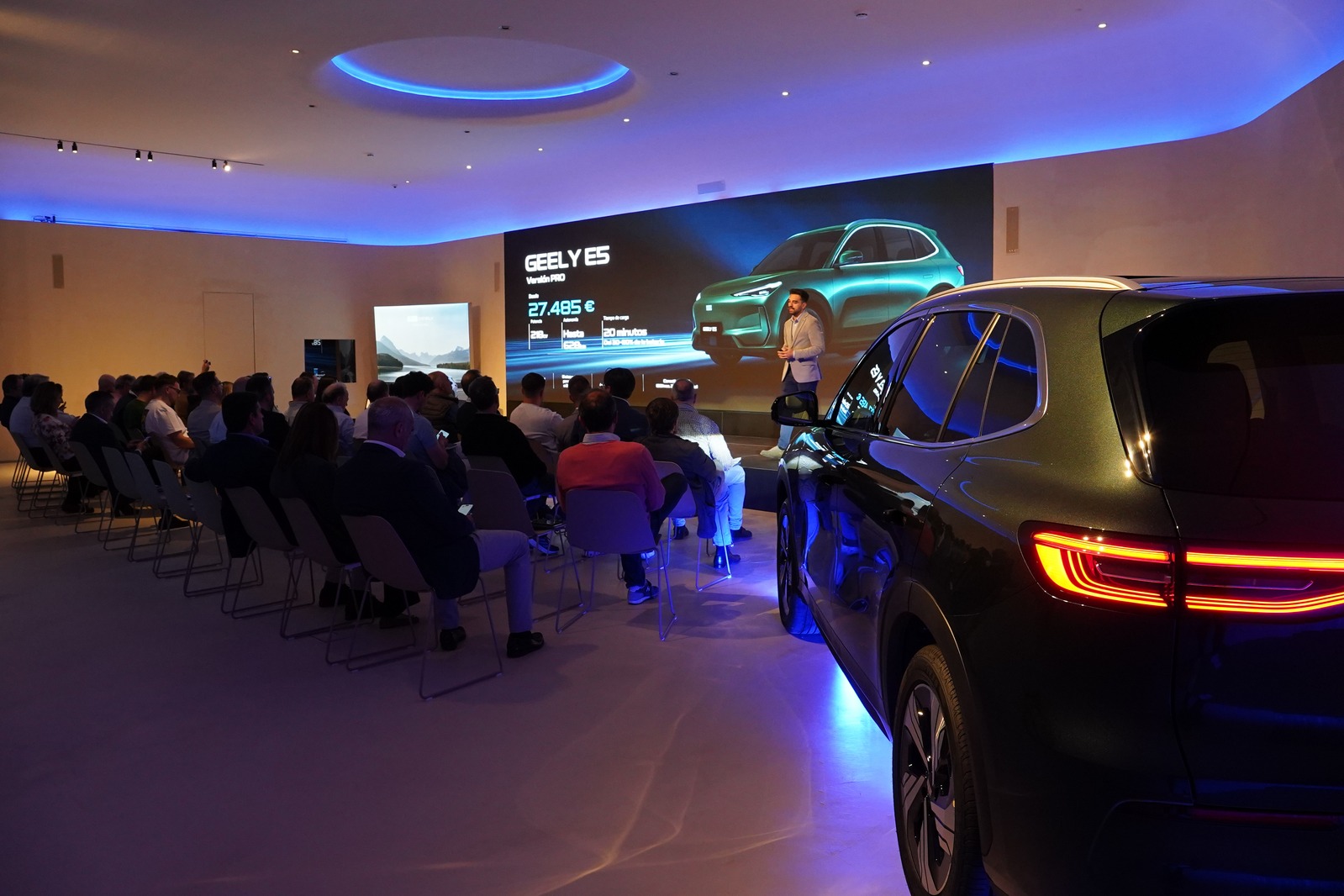
Presenting a product is much more than simply showcasing a new offering. It's about creating the right moment for a brand to express its vision, connect with its audience, and transform a proposal into a memorable experience. When a launch is well planned, it doesn't just introduce a product: it also conveys identity, generates conversation, and opens up new opportunities for relationships and business.
Organising a product launch event requires looking beyond logistics. It’s essential to define a clear objective, understand the target audience, choose the right venue, and design a coherent experience from start to finish. Every decision counts: from the invitation to the closing, from the narrative to how attendees experience the moment.
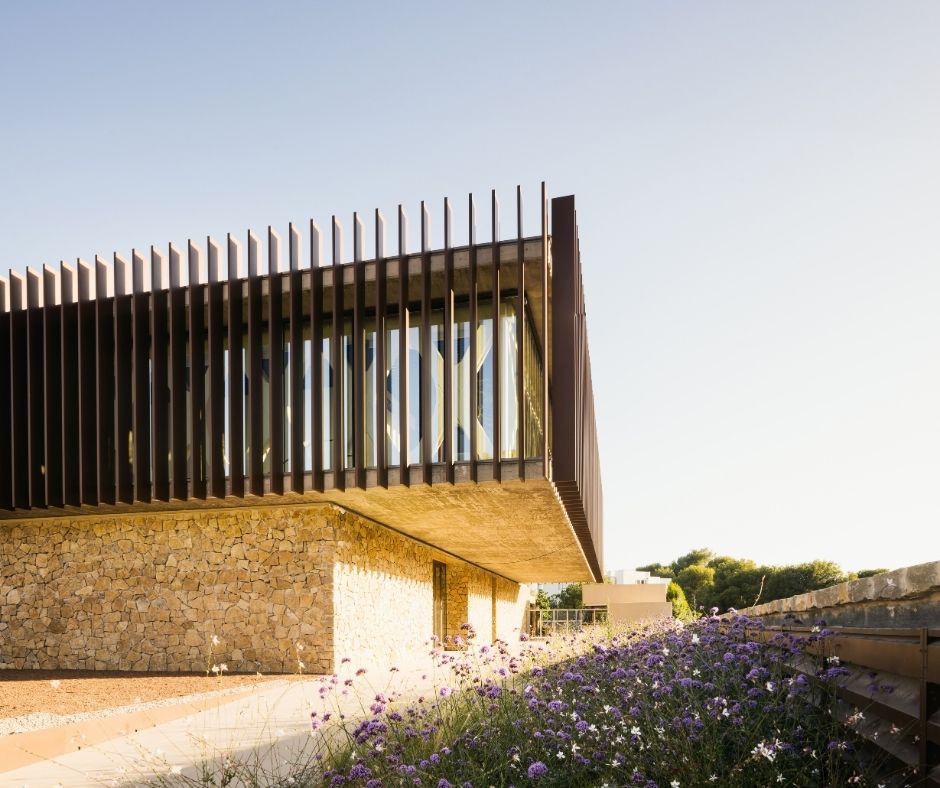
At Bellver Blue Tech Zone, we understand events as stages where technology, people, and the environment integrate to generate meaningful experiences. This approach to innovation, which is accessible, transformative, and connected to real life, is at the core of the brand.
Highlights of this article
- A launch event goes beyond showcasing a product: it creates experiences that connect brand and audience.
- Defining clear objectives is key to designing a coherent event with real results.
- Understanding the audience allows for the creation of relevant experiences: it's not about how many, but who attends.
- Storytelling turns a product into a memorable and emotional experience.
- The event venue directly influences the perception of the brand and the product.
- The experience is integral: it begins before the event and continues afterwards.
- The post-event follow-up is crucial for transforming impact into relationships and business opportunities.
Define the objective before considering the format
Every product launch should begin with a simple question: what do we want to achieve with this event?
Not all brands launch a product for the same reason. Some seek visibility. Others aim to strengthen their positioning, build trust, drive sales, attract press, or engage with potential clients. Having a clear objective from the outset allows for consistency in everything else.
When this foundation is not well defined, the event may be visually appealing, but it will hardly be effective. Conversely, when the purpose is clear, it becomes easier to make sound decisions about the type of venue, the tone of the gathering, the number of attendees, or the kind of experience that should be created.
Clearly identify who you want to invite
A product launch is not organised the same way for the media as it is for clients, or for partners as it is for internal teams. The audience dictates the format, pace, content, and even the atmosphere of the event.
Therefore, before setting a date or considering the venue design, it's advisable to precisely define who should be there. This could include strategic clients, distributors, influential figures, specialist media, investors, or potential collaborators. The better you know your attendees, the easier it will be to create a relevant experience for them.
It's not about gathering many people, but about gathering the right people.
Build a narrative around the product
One of the most frequent mistakes in these types of events is presenting the product solely based on its features. An event needs more than just information: it needs a story.
People better remember what they understand and feel. Therefore, a good product presentation should explain not only what it is, but also why it matters, what need it solves, what it contributes, and what differentiates it.
This story should be present in every layer of the event. In the invitation, in the welcome, in the speech, in the staging, and in the overall experience. When everything aligns with the same story, the presentation gains strength, and the product takes the place it deserves.
Choose a venue consistent with what you want to convey
The venue is not a neutral element; it also communicates. The choice of location influences how the brand is perceived, how the product is received, and how the experience is remembered.
A good venue for presenting a product should support the message, facilitate the event's dynamic, and ensure every moment flows naturally. It must be functional, yes, but also inspiring. It should allow the brand to express itself clearly and enable attendees to have a comfortable, well-managed, and values-aligned experience. Choosing the right environment is, in many cases, one of the factors that differentiate a satisfactory presentation from a truly memorable one, just as it is when planning how to organise a successful corporate event.
In this sense, Bellver Blue Tech Zone represents an approach to events where environment, innovation, and experience mutually enhance each other. The brand is precisely defined by creating new ways of living, working, and experiencing in connection with the environment, integrating technology and innovation into people's daily lives.
Consider the complete experience, not just the presentation
A product launch isn't limited to the moment someone takes the stage and speaks. It starts earlier, when the attendee receives the invitation, and continues afterwards, in what they remember, comment on, or share.
Therefore, it's advisable to design the event as a complete experience. The arrival, reception, first impression, ambience, timings, demonstration, conversation spaces, and closing should all follow a consistent logic. This approach aligns particularly well with how experiential events are designed today, where every detail contributes to building a stronger and more distinctive brand perception.
The more coherent this journey, the stronger the brand perception will be.
Nurture the first impression
The first few minutes significantly shape the attendee's experience. A well-executed welcome conveys order, attention to detail, and professionalism. A confusing or cold reception, however, can create the opposite impression.
The access to the venue, signage, the way guests are greeted, and the initial atmosphere should all be thoughtfully planned. There's no need to overact or clutter the environment. The important thing is that from the very first moment, the attendee feels they are entering a well-constructed experience.
That initial contact already starts to speak about the product, even before it's presented.
Make the product the true protagonist
In some events, the production becomes so prominent that the product takes a back seat. This is a common risk. The staging should reinforce the message, not overshadow it.
Everything that happens during the presentation should help to better understand the proposal. The content must be clear. The way the product is showcased should be visual, concrete, and easy to follow. If there’s a demonstration, it should be naturally integrated. If there’s a brand narrative, it should add value and not unnecessarily prolong the main moment.
The objective is simple: by the end of the event, attendees should clearly understand what has been presented, why it’s relevant, and what impression the brand leaves on them.
Design moments of interaction
A good presentation isn't always the one that speaks the most, but the one that engages best. Whenever appropriate, it's wise to create spaces where attendees can see, touch, try, ask questions, or experience the product.
This is particularly valuable when the product has a tangible, innovative, or differentiating component that is better understood live. Interaction transforms the presentation into a more active and engaging experience. Furthermore, it aids recall and encourages subsequent conversation.
It's not about forcing dynamics, but about allowing the product to come to life in front of the right people.
Reserve space for conversation
Launch events are also meeting points. Beyond the speech or demonstration, value often emerges from the conversations that arise afterwards.
Therefore, it’s important to set aside time and space for networking, informal exchange, or spontaneous meetings. A well-designed environment should facilitate these types of connections. When this happens, the event gains depth: it ceases to be a mere staging and becomes a real opportunity to build relationships.
Coordinate the technical aspects well
Behind a seamless experience there is always excellent coordination. Sound, lighting, screens, timings, setup, support staff, and the event's pace must be perfectly synchronised.
Technology, when well integrated, enhances the experience without dominating it. It helps everything to happen naturally, for the product to be seen better, for the message to be clear, and for the event to progress smoothly. Therefore, paying attention to this area is not just an operational matter, but also a way to reinforce the brand's value through technology for corporate events.
At Bellver Blue Tech Zone, technology is part of the brand's identity as a transformative force, capable of positively impacting people's lives and creating new ways of experiencing. This vision naturally aligns with the organisation of product launches that seek more than a conventional format.
Anticipate details before they become problems
A well-organised event is usually noticeable precisely because it doesn't force the attendee to think about the organisation. Everything seems simple, natural, and well-executed. But this fluidity is only achieved when details have been anticipated in advance.
It’s advisable to review access points, timings, technical needs, support materials, personnel responsible for each phase, alternative plans for unforeseen events, and coordination among suppliers. The important thing is not just that everything goes well, but that each part contributes to the overall sense of quality and trust.
Align the event with the brand's identity
Presenting a product also means showcasing a way of doing things. Therefore, the event must be consistent with the brand's personality.
If a company wants to project innovation, closeness, sustainability, exclusivity, or a vision for the future, all of this must be perceived in the event. In the tone, in the venue, in the staging, and in the way it interacts with attendees. Hence, the choice of venues carries much more weight than sometimes realised: they not only host the event, but also help define how it is experienced and remembered.
In the case of Bellver Blue Tech Zone, the brand is built on values such as initiating change, nurturing life, building tomorrow's legacy, and embracing innovation. This combination of authenticity, innovation, and connection with the environment offers a particularly powerful framework for corporate events and product launches with an added experiential dimension.
Don't neglect what happens afterwards
A product launch does not end when the event concludes. In fact, a significant part of its value emerges afterwards.
Follow-up allows to extend the experience, reinforce the message, and transform interest into a relationship. A thank you, the sending of materials, a follow-up conversation, a commercial proposal, or the repurposing of content generated during the event can make a big difference.
When the post-event is well managed, the launch doesn't remain a one-off moment: it continues to build the brand. And if the experience has been solid from the start, it will also be easier to connect this conversation with other related content and services, such as the offering of corporate events.
Mistakes to avoid
There are several common pitfalls in these types of events that should be kept in mind from the outset.
One is putting all the energy into impressing and very little into communicating. Another is failing to adapt the event to the actual profile of the attendees. It's also common to neglect the venue and treat it merely as a container, when in reality it forms part of the message. And, of course, there's the mistake of forgetting post-event follow-up, allowing all the effort to dissipate as soon as the event ends.
Organising a product launch event well doesn't mean making it bigger, but making it more consistent.
A product launch is an opportunity to build your brand
When a brand launches a product, it's starting a conversation. It's saying who it is, how it innovates, what position it wants to occupy, and how it wishes to relate to its audience.
Therefore, organising these types of events requires sensitivity, strategy, and a vision capable of uniting message, space, and experience. It's not just about showcasing something new. It's about creating the right context for that product to be understood, valued, and remembered.
At Bellver Blue Tech Zone, we believe in this way of designing experiences: one in which technology, people, and the environment connect to create meaningful encounters, capable of driving ideas, relationships, and new ways of experiencing the present.