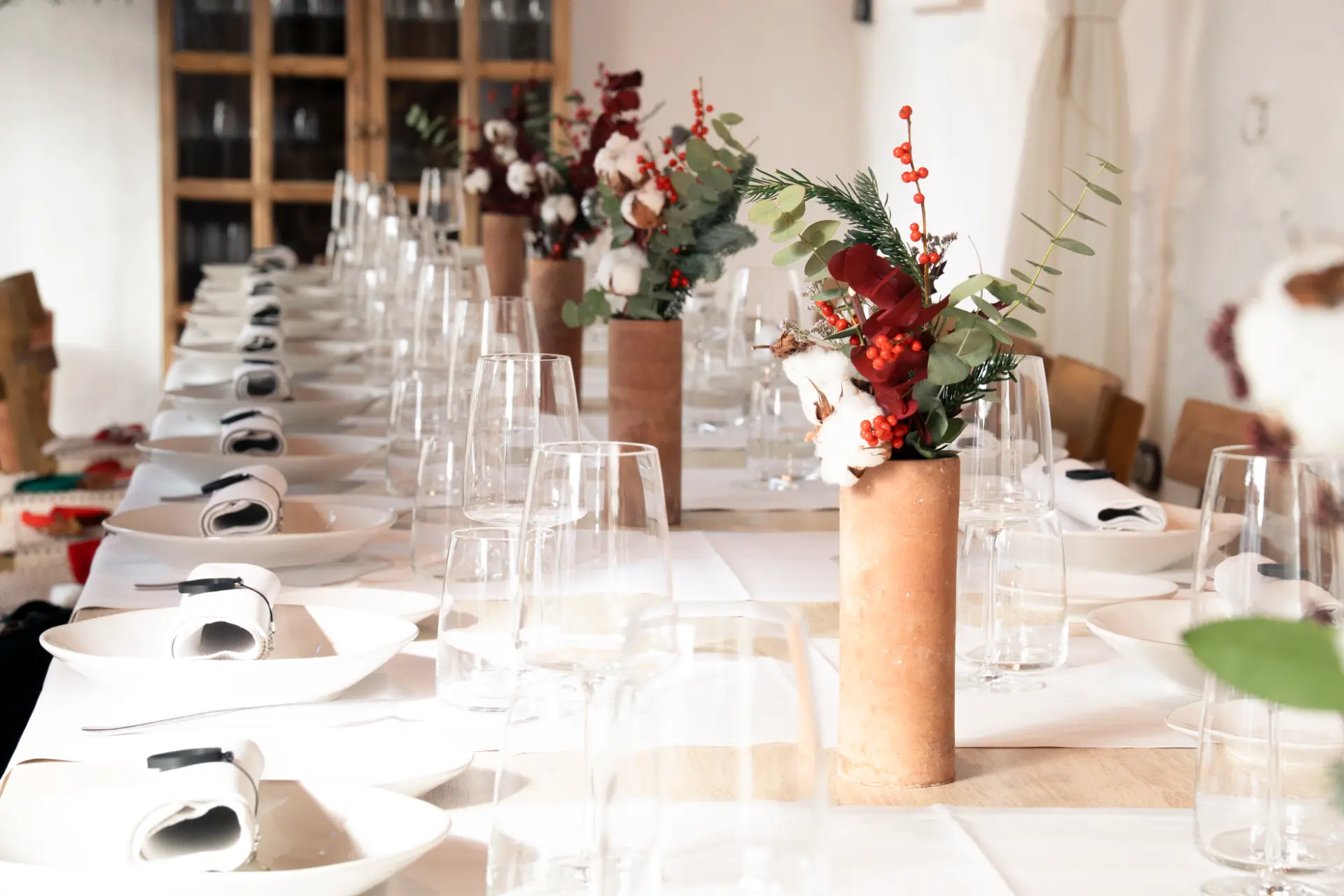
Traditional Mediterranean cuisine: rice and local produce
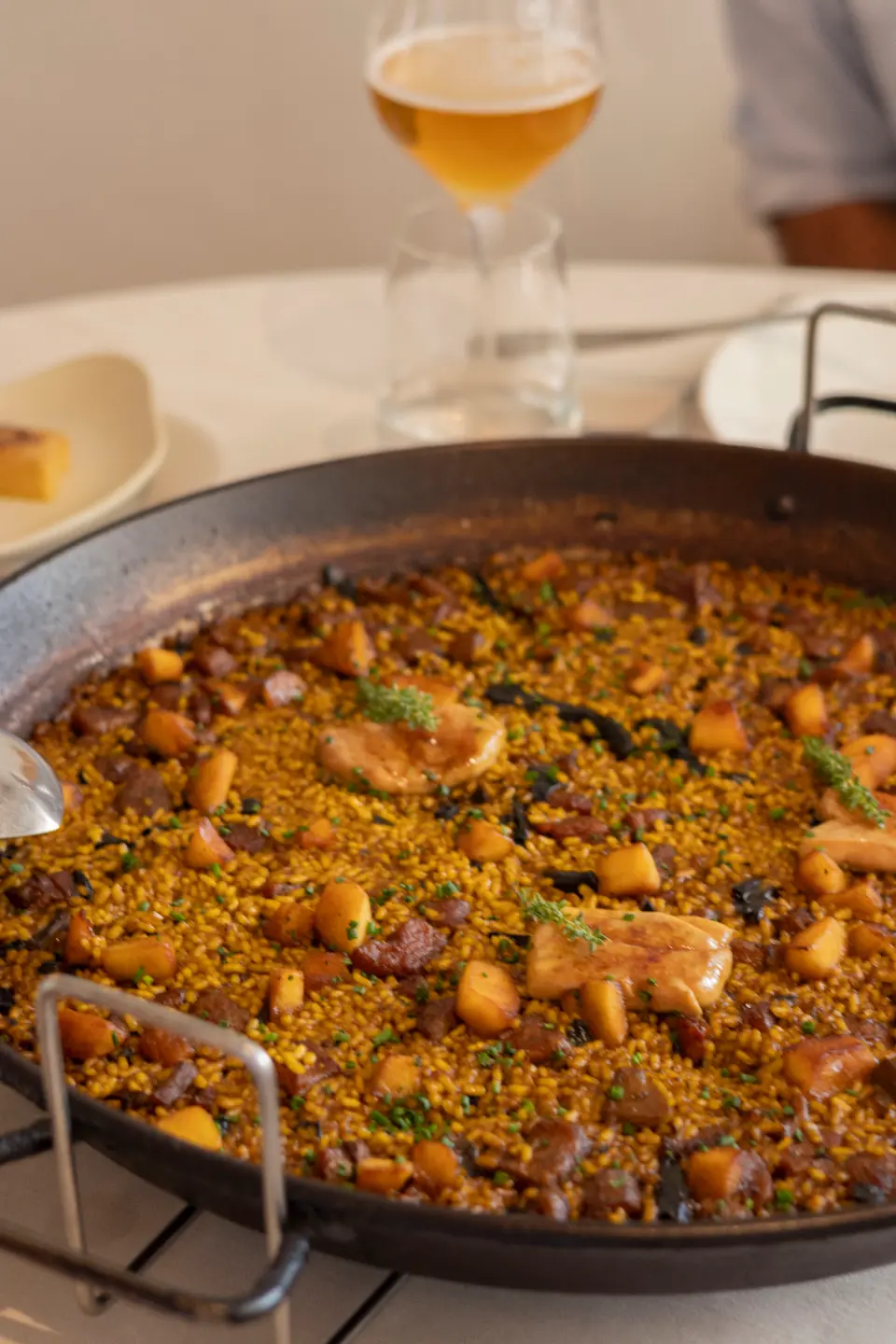
Traditional Mediterranean cuisine is based on a simple idea: cooking while respecting the product, the season and the territory. Olive oil, vegetables from the fields, fish, citrus fruits and rice form a diverse pantry that connects the sea with the land and turns every recipe into an expression of the place where it originates.
Within this gastronomic tradition, rice plays a leading role. Paella, arroz a banda, arroz del senyoret and vegetable rice dishes show how the same ingredient can interpret different landscapes, customs and moments.
In Benicàssim and its surroundings, this relationship between gastronomy and territory takes on a special meaning. The Mediterranean, the countryside and Valencian tradition come together in a cuisine where the product remains the starting point.
What defines traditional Mediterranean cuisine
Mediterranean cuisine is not simply a collection of recipes. It is a gastronomic culture built around recognisable ingredients, carefully prepared dishes and tables designed for sharing.
Its dishes traditionally start with products available in the surrounding area: seasonal vegetables, pulses, fish, seafood, meat, fruit, aromatic herbs and olive oil. The techniques may seem simple — sofritos, stocks, stews, grilling or slow cooking — but they require time, balance and knowledge of the product.
This dimension goes far beyond ingredients. UNESCO recognises the Mediterranean diet as intangible cultural heritage because of the knowledge, practices and traditions linked to farming, fishing, food preparation and the act of sharing a meal.
Source: https://ich.unesco.org/
In this way of understanding gastronomy, the aim is not to completely transform the ingredient, but to enhance its qualities and allow it to retain its identity.
Rice as an expression of the Mediterranean
Few ingredients have as much ability to interpret a territory as rice.
Its final flavour depends on the sofrito, the stock, the product that accompanies it and the cooking technique. This means it can reflect both maritime traditions and products from the countryside or home recipes from inland areas.
A good Mediterranean rice dish is usually based on three fundamental elements:
A balanced sofrito that builds the aromatic base.
A stock made with fish, vegetables or meat.
A precise cooking point that keeps the grain well defined.
Depending on the amount of stock and the cooking technique used, we can distinguish three main types of rice dishes.
Dry rice dishes absorb practically all the stock during cooking. This is the case with many paellas, arroz a banda and black rice.
Creamy rice dishes retain more moisture and offer a creamier texture, while the grain remains perfectly recognisable.
Brothy rice dishes contain a higher proportion of stock and are common in preparations made with fish, seafood, meat or vegetables.
There is no better texture than another. Each one responds to different ingredients and a different gastronomic experience.
Representative rice dishes of traditional Mediterranean cuisine
Valencian paella
Paella is one of the great symbols of Valencian gastronomy.
Its importance goes beyond the recipe. It is a dish associated with gatherings, celebrations and the act of sharing a meal. Its result depends on the balance between rice, stock and ingredients, as well as on the correct distribution of heat.
A well-prepared paella allows all the flavours to come together without any of them overpowering the others.
Arroz a banda
Arroz a banda has origins closely linked to maritime cuisine.
Traditionally, fishermen cooked the fish to obtain a stock and served the rice separately. This is where its name comes from: a banda, meaning “separately”.
Today, it is usually prepared as a dry rice dish made with a good fish stock, sofrito and different seafood products.
It is one of those recipes that clearly demonstrates how rice can concentrate the flavour of the Mediterranean in every grain.
Arroz del senyoret
Arroz del senyoret shares the essence of maritime cuisine, but presents the fish and seafood cleaned and prepared to be eaten directly.
Its name refers precisely to this convenience: those enjoying it do not need to peel prawns, remove shells or clean fish.
In this preparation, the quality of the stock is particularly important. It should provide depth and marine flavour without hiding the nuances of the product.
Seasonal vegetable rice dishes
Mediterranean rice dishes do not need to include meat or fish to express the territory.
Artichokes, green beans, peppers, tomatoes, mushrooms and other vegetables make it possible to create rice dishes full of nuances and adapted to each season.
This ability to change with the calendar makes rice a particularly interesting way of discovering the landscape through gastronomy.
Choosing local produce to cook with identity
Choosing local produce means selecting food that is produced, grown, caught or prepared in a nearby area.
But proximity should not be understood solely in terms of kilometres. It also means knowing where food comes from, respecting its season and fostering a more direct relationship with farmers, fishermen, producers and suppliers in the territory.
In a rice dish, this choice can make an important difference. Seasonal fish, vegetables harvested at their best or oil connected to the territory provide freshness, identity and distinctive nuances.
There is also an environmental dimension. A study published in Nature Food estimates that “food transport accounts for around 19% of emissions associated with the food system”.
Source: https://www.nature.com/
This does not mean that a local product is automatically more sustainable, since factors such as its production method also have an impact, but it does highlight the importance that supply chains and the origin of food can have.
Choosing local produce also helps maintain the economic and gastronomic activity of the surrounding area.
This connection between landscape, community and new experiences is part of the philosophy of Bellver Blue Tech Zone and its relationship with the Mediterranean territory, an ecosystem where tradition, innovation and contemporary ways of living and sharing come together.
Where to enjoy Mediterranean cuisine and rice dishes in Benicàssim
Benicàssim offers a particularly interesting setting for discovering traditional Mediterranean cuisine.
Its location between the sea and the mountains, its proximity to agricultural areas and its Valencian rice-making tradition allow visitors to find very different gastronomic proposals: from seafood rice dishes and fish to product-based dishes, grilled food and recipes linked to the season.
When choosing where to enjoy a good rice dish in Benicàssim, it is worth considering a few aspects:
What varieties of rice the restaurant offers.
Whether it is necessary to book the rice dish in advance.
Which local or seasonal products it uses.
Whether the rice is dry, creamy or brothy.
Whether there is a minimum number of diners.
Within this setting, the gastronomic offering of Bellver Blue Tech Zone brings together different ways of approaching the Mediterranean through product and experience.
Spaces with different personalities allow visitors to discover cuisine connected to the season, grilling, local produce and that very Mediterranean way of understanding the table as a place for gathering.
Gastronomy can also be the starting point for discovering other experiences at Bellver Blue Tech Zone, connecting the landscape, wellbeing, innovation and new ways of enjoying the territory.
For those who want to turn the experience into a getaway, accommodation at Hotel Masía Bellver allows this connection with the Mediterranean surroundings to continue just a few minutes from Benicàssim.
Frequently asked questions about traditional Mediterranean cuisine
What is traditional Mediterranean cuisine?
Traditional Mediterranean cuisine is a gastronomic culture based on seasonal products, ingredients connected to the territory and techniques such as sofrito, grilling, stews and slow cooking.
It also places great importance on how food is consumed and on the act of sharing a meal.
What are the best-known Mediterranean rice dishes?
Some of the most representative include Valencian paella, arroz a banda, black rice, arroz del senyoret and different rice dishes prepared with fish, seafood or seasonal vegetables.
What is the difference between dry, creamy and brothy rice?
The main difference lies in the amount of stock remaining at the end of cooking.
Dry rice absorbs practically all the liquid; creamy rice retains a creamy and slightly moist texture; and brothy rice is served with a greater amount of stock.
What does choosing local produce mean?
It means choosing food grown, caught, produced or prepared close to the place where it is consumed.
In addition to distance, factors such as seasonality, traceability and the relationship with local producers and suppliers are also important.
Is it necessary to order rice dishes in advance when eating in Benicàssim?
It depends on the restaurant and the type of preparation.
Many rice dishes require preparation time and may only be available for a minimum number of diners, so it is advisable to ask the restaurant when making a reservation.
Traditional Mediterranean cuisine is discovered through flavour, but also through the landscape and the people who keep its heritage alive. Every rice dish represents a different way of interpreting the territory and, above all, an invitation to enjoy it around a table.