Benefits of exercising outdoors for physical and mental health
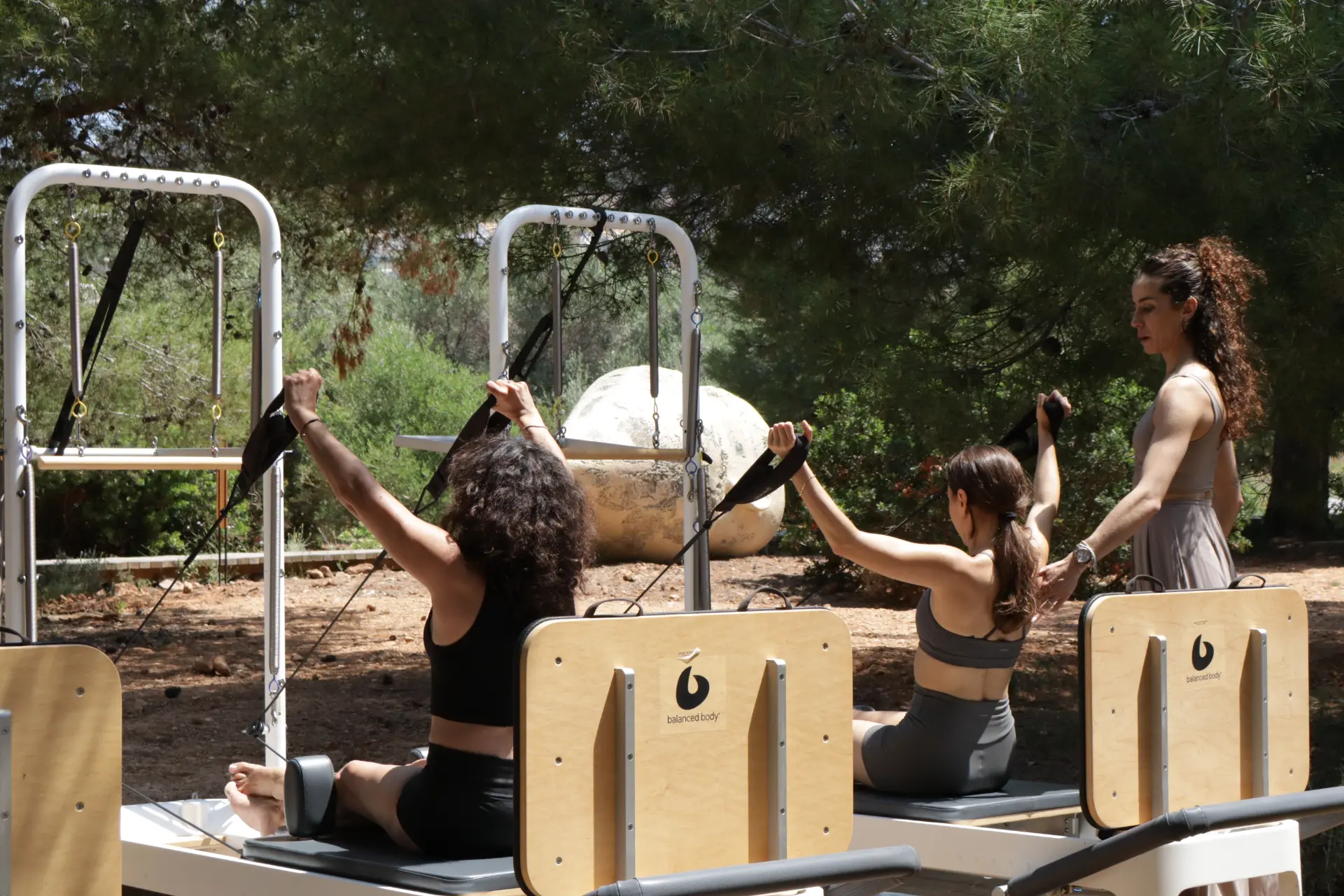
Exercising outdoors is one of the most comprehensive ways to take care of our health. Beyond improving physical fitness, engaging in physical activity in open spaces provides benefits for both body and mind, helps reduce stress and promotes a more balanced lifestyle.
Walking in nature, running by the sea, cycling along a route or practising disciplines such as yoga in an open environment are experiences that combine movement, wellbeing and connection with our surroundings.
In a society where we increasingly spend more time indoors and connected to digital devices, reconnecting with the outdoors becomes an opportunity to reconnect with our body, our mind and our surroundings.
Why exercising outdoors improves our wellbeing
Although any type of physical activity provides health benefits, exercising outdoors adds elements that enrich the experience.
Contact with nature, exposure to natural light and the possibility of changing scenery make exercise a more stimulating and motivating activity. The surroundings cease to be simply a place to train and become part of the experience itself.
In addition, exercising in open spaces can help create a more positive relationship with sport, allowing us to enjoy movement in a freer and less routine way.
Connecting with nature enhances the benefits of exercise
Nature has a direct impact on our wellbeing. Green spaces, open landscapes and natural environments encourage relaxation and help us disconnect from the demands of everyday life.
Exercising surrounded by nature allows us to combine two fundamental elements for our health: physical activity and mental recovery.
A walking route, an outdoor training session or an activity by the sea can become moments to reduce accumulated tension and regain energy.
Outdoor exercise as a healthy habit
One of the great benefits of exercising outdoors is that it makes it easier to maintain motivation in the long term.
When we always train in the same indoor space, routine can become a reason to give up. However, exercising outdoors offers a more varied experience: different landscapes, routes and sensations.
This variety helps us enjoy the process more and turns exercise into a habit associated with wellbeing and enjoyment.
Physical benefits of exercising outdoors
The physical benefits of exercising outdoors are related to improving our physical condition and preventing the negative effects of a sedentary lifestyle.
Keeping the body active helps improve abilities such as endurance, strength, mobility and coordination, contributing to a better quality of life.
Improves cardiovascular health and endurance
Activities such as walking, running, cycling or practising endurance sports help strengthen the cardiovascular system.
Regular exercise improves the body's ability to perform physical effort, promotes better blood circulation and increases endurance.
In addition, training outdoors can make these activities more enjoyable thanks to contact with different landscapes and environments.
Promotes muscle strength and mobility
Outdoor exercise allows us to work different muscle groups depending on the activity we choose.
Walking on natural terrain helps improve balance and coordination; cycling mainly strengthens the lower body; while disciplines such as yoga, pilates or functional training promote mobility, flexibility and body control.
The variety of options makes it possible to adapt physical activity to different ages, fitness levels and goals.
Helps combat sedentary lifestyles and increases energy
One of today's main challenges is reducing the amount of time we spend sitting.
Physical inactivity has become a global challenge: according to the World Health Organization, approximately 31% of adults worldwide do not meet the recommended levels of physical activity, a situation that can have negative consequences for health.
Source: World Health Organization - Physical activity
Incorporating small moments of outdoor physical activity can provide significant benefits: going for a walk, taking a route at the weekend or practising a sport regularly helps activate the body and improve our daily sense of energy.
Mental benefits of exercising outdoors
Sport does not only transform our body. It also plays a fundamental role in our emotional wellbeing.
The combination of physical exercise, nature and a break from routine makes outdoor activities a valuable tool for taking care of our mental health.
Reduces stress and promotes relaxation
One of the best-known benefits of exercising outdoors is its ability to help reduce stress.
Regular physical activity is associated with improved psychological wellbeing and can help reduce symptoms associated with anxiety and depression, as well as promoting a better quality of life.
Source: National Center for Biotechnology Information - Physical Activity and Mental Health
Taking a break from the fast pace of everyday life, breathing fresh air and focusing on a physical activity allows us to release tension and regain a sense of calm.
Improves mood and emotional wellbeing
Physical activity promotes the release of substances associated with a feeling of wellbeing.
When exercise takes place outdoors, this experience is complemented by factors such as natural light, the landscape and the sense of freedom that comes from being active.
Therefore, simple activities such as walking, running or exercising in a group can have a positive impact on our emotional state.
Promotes concentration and the mind-body connection
Outdoor exercise also helps us regain attention and reconnect with our own body.
Paying attention to our breathing, movement and the sensations around us allows us to reduce mental overload and step away for a while from the excess of digital stimuli.
Outdoor sports activities to take care of body and mind
One of the great advantages of outdoor sports is the number of possibilities they offer. There is no single way to enjoy exercise while being in contact with nature.
Everyone can find an activity suited to their interests, goals and fitness level.
Hiking and trekking: moving while discovering new landscapes
Walking is one of the most accessible ways to exercise outdoors.
Hiking and trekking allow us to improve physical endurance while enjoying the landscape and disconnecting from our routine.
They can also be easily adapted to different fitness levels, from gentle walks to more demanding routes.
Cycling: sport, exploration and connection with the surroundings
Cycling combines cardiovascular exercise with discovering the territory.
Travelling along paths and natural routes on two wheels allows us to work on endurance, strengthen our muscles and enjoy a more dynamic experience.
It is also an activity that connects sport with more sustainable mobility and a closer relationship with our surroundings.
Yoga, barre and outdoor wellbeing disciplines
Not all outdoor exercise has to be related to physical intensity.
Disciplines such as yoga, barre, pilates or mindful movement allow us to work on strength, balance, flexibility and breathing.
Practising them in natural environments adds an extra element of wellbeing, helping to create moments of calm and personal connection.
Paddleboarding and water sports in contact with the sea
Water sports offer a different way to enjoy outdoor exercise.
Paddleboarding, for example, combines balance, coordination and strength while allowing us to experience the marine environment from a different perspective.
In addition to their physical benefits, activities connected to the water create a feeling of freedom and connection with nature.
Social sports for sharing experiences
Sport also has a collective dimension.
Activities such as padel and other group sports combine physical exercise, fun and personal relationships.
Sharing a sporting experience encourages motivation and turns movement into an opportunity to create connections.
This social dimension of sport is particularly interesting in professional environments, where sports activities as corporate experiences can help improve communication, strengthen team cohesion and create connections outside the usual work environment.
How to start exercising outdoors and stay motivated
Incorporating outdoor exercise into our routine does not require major changes. The most important thing is to find an activity we enjoy and turn it into a sustainable habit.
Choosing an activity suited to your goals
Everyone has different needs. Some people want to improve their physical condition, others want to reduce stress or simply spend more time connected to nature.
Choosing an activity that motivates us increases the chances of staying consistent.
Creating a gradual routine
There is no need to start with major efforts.
The key is to set realistic goals, gradually increase intensity and enjoy the process.
Consistency has a greater impact than occasional intensity.
Making the surroundings part of the experience
The place where we exercise influences how we experience the activity.
Natural spaces, open landscapes and environments designed for wellbeing can transform exercise into a more complete experience.
This same philosophy also applies to the design of experiential events, where the surroundings, emotion and interaction with people become key elements in creating memorable experiences.
Bellver Blue Tech Zone: an example of integrating sport, nature and wellbeing
More and more people are looking for spaces where they can combine physical activity, wellbeing and connection with their surroundings.
At Bellver Blue Tech Zone, this vision is brought to life through experiences linked to active living and wellbeing. Its spaces host activities such as yoga, barre dance, paddleboarding, cycling routes, padel and other proposals that invite people to enjoy movement while connecting with the Mediterranean surroundings.
These spaces also allow companies to develop experiences that seek to connect their teams in a different way, combining nature, physical activity and collaboration through team building plans and activities for corporate teams.
Beyond practising sport, these experiences seek to create moments of connection between people, nature and the territory, following a philosophy in which technology and innovation are at the service of new ways of living and experiencing.
Frequently asked questions about the benefits of exercising outdoors
What are the main benefits of exercising outdoors?
The main benefits of exercising outdoors include improved physical health, cardiovascular strengthening, stress reduction and a greater sense of emotional wellbeing.
Why does exercising outdoors improve mental health?
Outdoor exercise combines the benefits of physical activity with contact with nature, helping to reduce mental tension and improve mood.
What sports activities can be done outdoors?
Some outdoor sports activities include hiking, cycling, yoga, padel, paddleboarding, running, functional training and team sports.
Is exercising outdoors better than working out in a gym?
Both options have benefits, but exercising outdoors provides additional elements such as connection with nature, natural light and a more varied experience.
How long do you need to exercise outdoors to notice benefits?
Regularity is more important than duration. Regular physical activity gradually helps improve physical and mental health.
How does nature improve the exercise experience?
Nature provides stimuli that encourage relaxation, concentration and a more positive relationship with exercise.